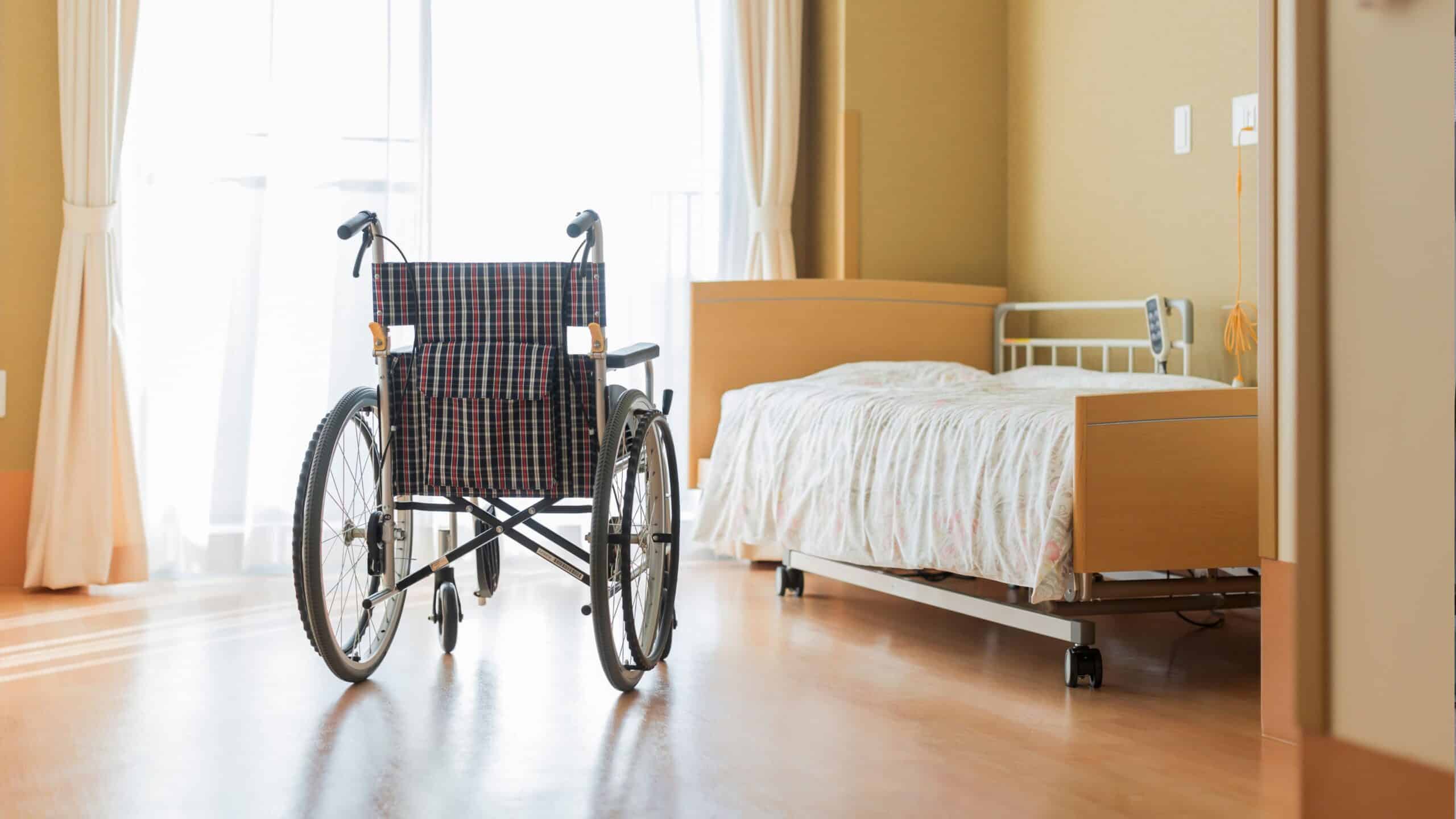

The global population is aging at an unprecedented rate. As life expectancy increases and birth rates decline, healthcare systems around the world are facing new challenges—particularly in elderly care and long-term care environments.
One major result of this demographic shift is the growing demand for advanced elderly care beds designed to support safety, comfort, and long-term care efficiency.
1. The Global Aging Population Trend
According to international health organizations, the number of people aged 65 and over is increasing rapidly worldwide. This shift is transforming healthcare priorities and infrastructure needs.
Key impacts include:
- Increased demand for long-term care facilities
- Higher prevalence of chronic conditions
- Greater need for daily living assistance
🔗 External reference:
World Health Organization (WHO) – Ageing and Health
https://www.who.int
2. Why Traditional Hospital Beds Are No Longer Enough
Traditional hospital beds are designed for short-term treatment, not long-term living. Elderly patients often require beds that support daily comfort, independence, and safety over extended periods.
Limitations of standard hospital beds:
- Not optimized for fall prevention
- Less comfortable for long-term use
- Limited support for daily activities
This gap is driving the adoption of elderly-specific care beds in nursing homes and senior living facilities.
3. The Rise of Long-Term Care Facilities
As families and healthcare systems adapt to aging societies, long-term care facilities and nursing homes are expanding rapidly.
These facilities require beds that:
- Support continuous use
- Reduce caregiver workload
- Improve resident quality of life
🔗 Internal link:
Medical Beds for Long-Term Care Facilities
4. Advanced Bed Features Supporting Elderly Care
Modern elderly care beds integrate features designed specifically for senior needs.
Common advancements include:
- Low-height design for fall prevention
- Smooth electric adjustment
- Pressure injury prevention compatibility
- User-friendly controls
These features reflect a shift from purely medical treatment toward resident-centered care.
🔗 Internal link:
Electric Elderly Care Beds
5. Reducing Pressure on Caregivers and Healthcare Systems
Aging populations also mean increased pressure on caregivers and nursing staff. Advanced medical beds help improve efficiency and reduce physical strain.
Benefits for healthcare systems:
- Lower caregiver injury rates
- Improved care consistency
- Better allocation of staffing resources
🔗 External reference:
Occupational Safety and Health Administration (OSHA) – Healthcare Ergonomics
https://www.osha.gov
6. Quality of Life as a Core Healthcare Metric
Modern elderly care is no longer focused solely on survival or treatment. Quality of life has become a core measure of care success.
Elderly care beds contribute by:
- Supporting independence
- Improving comfort and sleep quality
- Reducing anxiety and fall risk
This shift aligns with global healthcare trends toward patient-centered and dignity-focused care.
7. The Future of Elderly Care Equipment
Looking ahead, the demand for advanced elderly care beds will continue to grow alongside aging populations.
Future trends include:
- Increased adoption of electric and smart beds
- Greater focus on safety and ergonomics
- Integration with long-term care systems
Healthcare providers that invest early in appropriate equipment will be better prepared for future demands.
Conclusion
The aging population is reshaping healthcare worldwide. As long-term care needs increase, elderly care beds have become essential equipment for nursing homes, senior living facilities, and healthcare providers.
At Lisamed, we support this transition by providing professional elderly care bed solutions designed to meet the evolving needs of aging societies.
👉 Explore our solutions:
Lisamed Elderly Care Beds & Healthcare Furniture