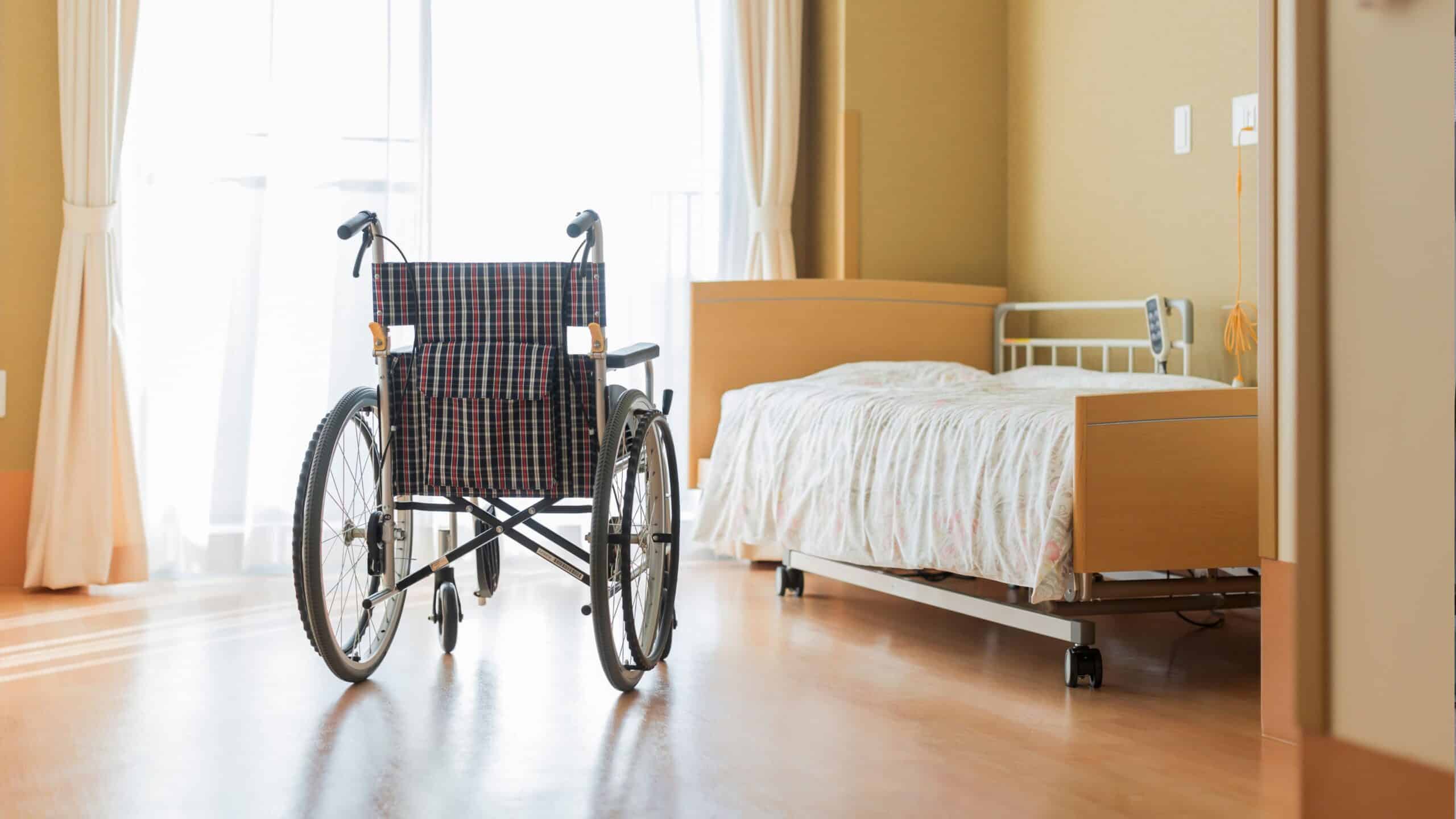

Safety is the foundation of quality care in nursing homes and senior living facilities. Elderly residents are more vulnerable to falls, mobility limitations, and long-term health complications, making bed safety one of the most critical factors in daily care.
Below are the top safety features every nursing home bed should have to protect residents, support caregivers, and meet modern care standards.
👉 Related solutions:
Elderly Care Beds for Nursing Homes
1. Low Minimum Bed Height for Fall Prevention
Falls are one of the most common and serious risks in elderly care environments. A nursing home bed with a low minimum height significantly reduces injury risk if a resident rolls or steps out of bed.
Key benefits:
- Reduced fall-related injuries
- Easier bed entry and exit
- Increased resident confidence
Low-height design is considered a core safety requirement for modern elderly care beds.
🔗 External reference:
World Health Organization (WHO) – Fall Prevention in Older Adults
https://www.who.int
2. Side Rails with Safe Locking Mechanisms
Side rails help prevent accidental falls while still allowing caregivers to assist residents safely.
Important considerations:
- Secure locking systems
- Smooth edges to prevent injury
- Easy operation for caregivers
Well-designed side rails enhance safety without restricting resident movement unnecessarily.
3. Stable Frame and High Load Capacity
A strong and stable bed frame is essential for resident safety, especially in nursing homes that serve residents with diverse mobility and body types.
Safety advantages include:
- Reduced tipping risk
- Improved bed stability during movement
- Long-term durability in high-use environments
🔗 Internal link:
High Load Capacity Medical Beds
4. Lockable Castors for Secure Positioning
Beds with high-quality lockable wheels allow caregivers to reposition beds easily while ensuring stability during use.
Why this matters:
- Prevents unwanted bed movement
- Improves safety during transfers
- Supports efficient room management
Reliable castors are a small feature with a big safety impact.
5. Smooth and Quiet Electric Adjustment
Sudden movements or noisy motors can startle elderly residents and increase fall risk. Smooth electric adjustment ensures gentle transitions between positions.
Key benefits:
- Reduced stress for residents
- Safer repositioning
- Better sleep quality
🔗 Internal link:
Electric Elderly Care Beds
6. Emergency Manual Lowering Function
Power outages or electrical issues can occur at any time. Nursing home beds should include a manual emergency lowering function to ensure resident safety in all situations.
This feature allows caregivers to:
- Safely lower the bed without power
- Respond quickly in emergencies
- Maintain care continuity
7. Mattress Compatibility for Pressure Injury Prevention
Pressure injuries are a major concern in long-term elderly care. Beds must be compatible with pressure-relief and anti-decubitus mattresses.
Safety-related benefits:
- Reduced pressure ulcer risk
- Improved circulation
- Better long-term comfort
🔗 Internal link:
Long-Term Care Medical Beds
8. Easy-to-Clean Design for Infection Control
Safety also includes hygiene. Beds designed for easy cleaning reduce infection risks in nursing homes.
Key design features:
- Smooth surfaces
- Minimal gaps and joints
- Durable, disinfectant-resistant materials
🔗 External reference:
Centers for Disease Control and Prevention (CDC) – Infection Control in Long-Term Care
https://www.cdc.gov
9. User-Friendly Controls for Residents and Caregivers
Simple, clearly labeled controls improve safety by reducing operational errors.
Benefits include:
- Increased resident independence
- Faster caregiver response
- Reduced misuse or confusion
User-friendly design directly supports safer daily care.
10. Compliance with International Safety Standards
Professional nursing home beds should comply with recognized international standards to ensure quality and reliability.
Common standards include:
- ISO medical device standards
- IEC electrical safety standards
🔗 External reference:
International Organization for Standardization (ISO)
https://www.iso.org
Conclusion
Safety-focused bed design is essential in nursing homes and senior care facilities. By choosing beds with the right safety features, facilities can reduce fall risks, improve resident comfort, and support caregivers more effectively.
At Lisamed, we provide professional nursing home bed solutions designed to meet international safety standards and the real-world needs of elderly care environments.
👉 Explore our solutions:
Lisamed Elderly Care Beds & Healthcare Furniture