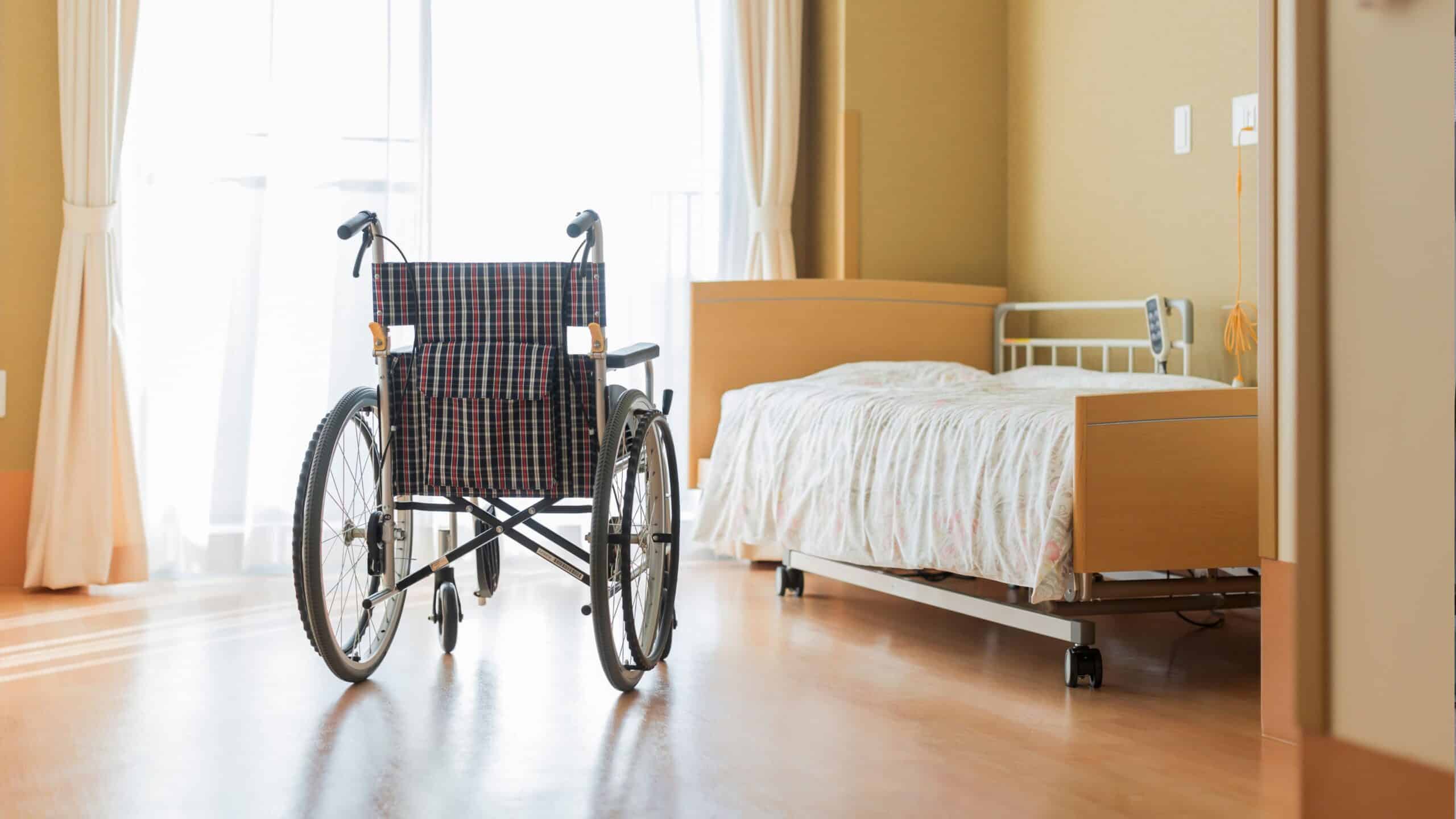
Pressure ulcers, also known as bedsores or decubitus ulcers, are a common concern for bedridden or immobile patients. These painful and potentially dangerous wounds occur when there is prolonged pressure on a particular part of the body, leading to reduced blood flow and tissue damage. Preventing pressure ulcers is an essential part of patient care, especially in hospitals, nursing homes, and home care settings. In this article, we will explore essential nursing techniques and best practices to prevent pressure ulcers and ensure your patients receive the best care possible.
1. Understanding Pressure Ulcers: Causes and Risk Factors
Pressure ulcers form when pressure on the skin and underlying tissues reduces blood flow, leading to tissue death. They typically occur in areas where bones are close to the skin’s surface, such as the heels, sacrum, and elbows. Prolonged pressure, moisture, and friction are the main causes, but other factors such as poor nutrition, dehydration, and immobility can also increase the risk.
2. Turning and Repositioning Patients Regularly
One of the most effective ways to prevent pressure ulcers is by regularly repositioning bedridden patients. Changing the patient’s position every two hours can help alleviate pressure on vulnerable areas, improving blood circulation and reducing the risk of skin breakdown. Nurses and caregivers should pay attention to common pressure points like the back, heels, hips, and elbows.
3. Use of Specialized Mattresses and Cushions
- Pressure Ulcer Product Page: Explore Pressure Ulcer Prevention Products
- Specialized Mattresses for Pressure Ulcer Prevention: Discover Our Pressure Relieving Mattresses
- Customer Support Page: Get Support from LISAMED
Specialized mattresses and cushions, such as pressure-relieving foam mattresses or alternating pressure mattresses, are critical in preventing pressure ulcers. These products help distribute the patient’s weight more evenly and relieve pressure from high-risk areas. When selecting the right mattress or cushion, it’s essential to consider the patient’s individual needs and comfort.
4. Maintaining Good Skin Hygiene
Maintaining good skin hygiene is essential for pressure ulcer prevention. Patients should be kept clean and dry, as moisture can weaken the skin and make it more susceptible to breakdown. Bathing patients with gentle cleansers, avoiding hot water, and ensuring that skin folds are dry can help maintain healthy skin and prevent ulcers. Additionally, regular skin assessments should be performed to detect any early signs of pressure damage.
5. Ensuring Proper Nutrition and Hydration
Proper nutrition and hydration are key components in pressure ulcer prevention. Malnutrition and dehydration can weaken the skin, making it more prone to damage. A well-balanced diet rich in protein, vitamins, and minerals is essential for maintaining skin integrity. Additionally, adequate fluid intake helps keep the skin hydrated and improves circulation, which is crucial for wound healing and overall health.
Pressure ulcers are preventable with the right knowledge and techniques. By regularly repositioning patients, using specialized equipment, maintaining good skin hygiene, and ensuring proper nutrition, healthcare providers can significantly reduce the risk of pressure ulcers. Implementing these practices in your healthcare facility will not only improve patient comfort and outcomes but also reduce healthcare costs associated with treating pressure ulcers.
Authoritative External Links
- National Institute on Aging (NIA): Preventing Pressure Ulcers
- American Academy of Dermatology (AAD): Pressure Ulcer Prevention
- World Health Organization (WHO): Pressure Injury Prevention