
Choosing a manual wheelchair is a critical decision that directly impacts your independence and daily quality of life. To make a smart choice that works for years, you must evaluate your physical capabilities, your primary environment, and the specific wheelchair type that fits your lifestyle.

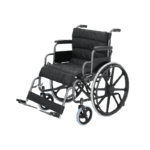


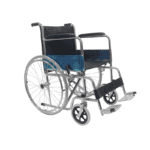
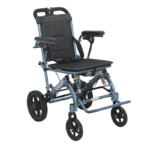
How to choose a manual wheelchair
1. Assess Your Physical Needs and Mobility Level
Your physical abilities dictate which frame design and wheel size will serve you best. Focus on these three areas:
- Self-Propulsion Stamina: Be honest about how far you can push yourself before getting tired. Your stamina determines whether you need an ultra-lightweight frame or a setup designed for shorter trips.
- Upper Body Strength: Strong shoulders and arms are well-suited for larger 24-inch wheels, which travel farther with each push. Weaker arms may require smaller wheels or power-assist add-ons to prevent shoulder strain.
- Balance and Support: Users with strong core stability can use lower backrests, while those with weak trunk control may need higher backs, side supports, or custom cushioning.
- Energy Fluctuations: Always choose a wheelchair that fits your lowest energy level of the day, rather than your peak strength.
2. Determine the Primary Usage Environment
Where you spend your time should shape your wheelchair’s dimensions and tire type:
- Indoor Use: For narrow doorways and small bathrooms, look for a frame width under 25 inches and a turning radius of 30 inches or less. Removable armrests are beneficial for sliding closer to desks and tables.
- Outdoor Use: Uneven terrain like gravel or grass requires larger front casters (8-inch instead of 5-inch) for better stability. Pneumatic tires are ideal as they absorb shock better than solid rubber on rough surfaces.
- Mixed-Use Design: If you frequently transition between carpet and concrete, consider quick-release wheels and adjustable footrests to handle various surfaces and facilitate easier car transfers.
3. Select the Wheelchair Type Based on Lifestyle
Manual wheelchairs generally fall into three categories, each offering a different balance of control and portability:
| Wheelchair Type | Best For | Key Characteristic |
| Standard | General daily use | Durable but often heavier. |
| Lightweight | Active users | Easier to propel and transport independently. |
| Transport | Caregiver assistance | Smaller wheels; designed to be pushed by others. |
Lisa Medical: Advanced Solutions for Long-Term Mobility
If your needs extend into more specialized care, Lisa Medical offers high-performance nursing and rehabilitation beds designed to complement your mobility journey.
- Smart Rehabilitation Support: Our LSLS008 Dual-Use Bed and LSC09 Wheelchair Nursing Bed are engineered for seamless patient transfers, reducing physical strain for both users and caregivers.
- Safety and Efficiency: Like the best manual wheelchairs, Lisa Medical products prioritize safety with features like anti-slip technology and 100% compliance with CE and FDA standards.
Would you like me to prepare a “Mobility Integration Plan” to show how Lisa Medical’s nursing beds and specialized transfer equipment can work alongside your new wheelchair to optimize your home care environment?
- OEM vs ODM Medical Equipment: Which Is Right for Your Business?
- How to Choose a Reliable Medical Equipment Manufacturer
- Medical Equipment Manufacturing Process Explained
- How Distributors Choose Medical Equipment Manufacturers in China
- Common OEM Mistakes Distributors Make (And How to Avoid Them)
How to choose a manual wheelchair