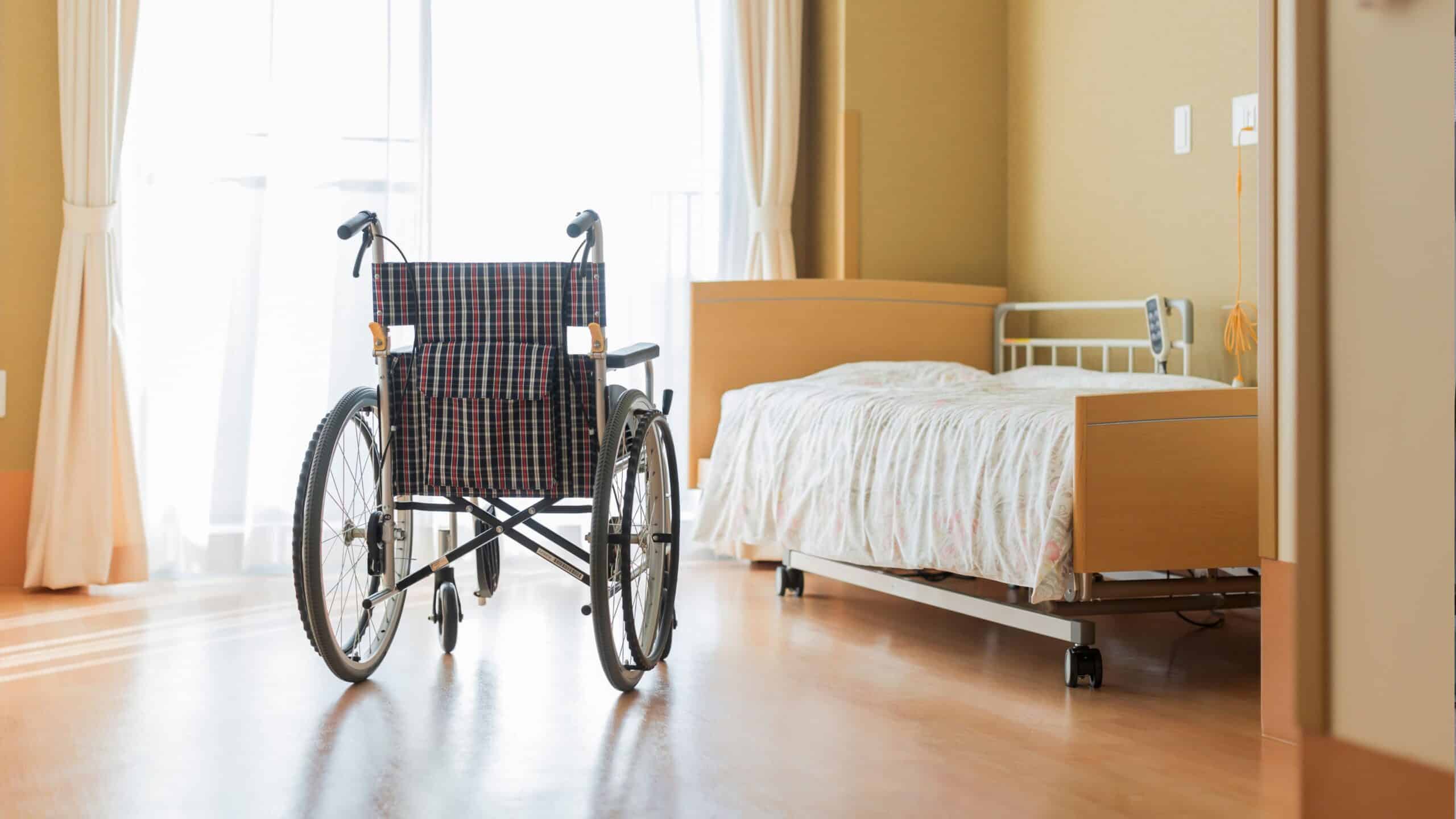

Nursing homes and senior living facilities face unique challenges when selecting medical equipment. Elderly residents often require long-term care, daily assistance, and a safe living environment. Choosing the right elderly care bed is essential for improving resident comfort, reducing caregiver workload, and preventing injuries.
This guide focuses specifically on how to select the best beds for nursing homes and senior living facilities.
👉 Related solutions:
Elderly Care Beds for Nursing Homes
1. Daily Living Needs in Senior Care Facilities
Unlike acute hospital settings, elderly care facilities focus on daily living support rather than short-term treatment. Beds must support activities such as:
- Getting in and out of bed independently
- Sitting comfortably for reading or meals
- Sleeping for extended periods
An ideal senior care bed balances medical functionality with home-like comfort.
2. Low Bed Height for Fall Prevention
Falls are one of the most common risks in elderly care environments. Beds with a low minimum height significantly reduce the risk of serious injury.
Key considerations:
- Adjustable low-height design
- Stable structure when fully lowered
- Easy access for elderly residents
🔗 External reference:
World Health Organization (WHO) – Fall Prevention in Older Adults
https://www.who.int
3. Ease of Use for Elderly Residents
Elderly residents benefit from beds that are simple and intuitive to operate. Clear hand controls and smooth electric adjustments improve independence.
Recommended features:
- Easy-to-use hand controllers
- Quiet motor operation
- Smooth back and leg adjustment
🔗 Internal link:
Electric Elderly Care Beds
4. Supporting Caregiver Efficiency in Nursing Homes
Staff shortages are common in elderly care facilities. Beds should reduce manual handling and repetitive physical tasks for caregivers.
Benefits for caregivers include:
- Faster repositioning
- Reduced lifting strain
- Improved workflow efficiency
Well-designed elderly care medical beds help staff focus on resident care instead of physical effort.
🔗 External reference:
Occupational Safety and Health Administration (OSHA) – Healthcare Worker Safety
https://www.osha.gov
5. Pressure Ulcer Prevention for Long-Term Residents
Long-term residents are at higher risk of pressure ulcers. Beds must support regular repositioning and work effectively with pressure-relief mattresses.
Important features:
- Multiple adjustable positions
- Strong mattress support platform
- Compatibility with anti-pressure mattresses
🔗 Internal link:
Long-Term Care Medical Beds
6. Durability and Maintenance for High-Use Environments
Nursing home beds are used continuously, often by multiple residents over time. Durability and ease of maintenance are critical.
Facilities should look for:
- Reinforced steel bed frames
- Long service life
- Easy cleaning and maintenance
🔗 Internal link:
High Load Capacity Medical Beds
7. Compliance with Healthcare and Safety Standards
Professional elderly care beds should comply with international healthcare standards to ensure safety and long-term reliability.
Common standards include:
- ISO medical device standards
- IEC electrical safety standards
🔗 External reference:
International Organization for Standardization (ISO)
https://www.iso.org
Conclusion
Selecting the right elderly care bed for nursing homes and senior living facilities is a long-term investment in resident safety, comfort, and care quality. Beds designed specifically for elderly care improve daily living, reduce fall risks, and support caregivers more effectively.
At Lisamed, we offer professional elderly care bed solutions designed for nursing homes, senior living facilities, and long-term care environments worldwide.
👉 Explore our solutions:
Lisamed Elderly Care Beds & Healthcare Furniture