
Medical Equipment Manufacturing Process Explained
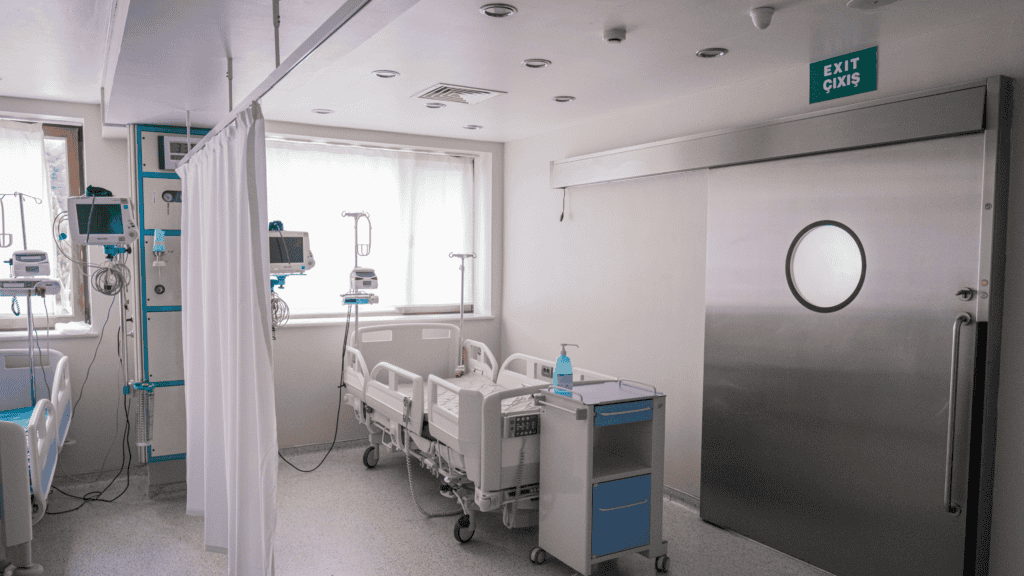
In the global healthcare industry, quality, reliability, and compliance are critical. At LisaMed, we specialize in manufacturing and exporting medical equipment for operating rooms and intensive care units worldwide. This article takes you inside our factory to explain how medical equipment is designed, manufactured, tested, and delivered to meet international standards. Product Design & Clinical Requirements Analysis Every medical device starts with a clear clinical purpose. Our engineering team works closely with hospitals, distributors, and OEM/ODM partners to understand real-world clinical needs. During this stage, we focus on: For OEM and ODM projects, LisaMed provides customized solutions including appearance design, functional configuration, and branding options. Raw Material Selection & Component Sourcing High-quality medical equipment begins with premium materials. LisaMed carefully selects certified raw materials and key components to ensure durability and safety. We
Cómo Elegir la Cama Geriátrica Adecuada: Guía Paso a Paso para Residencias
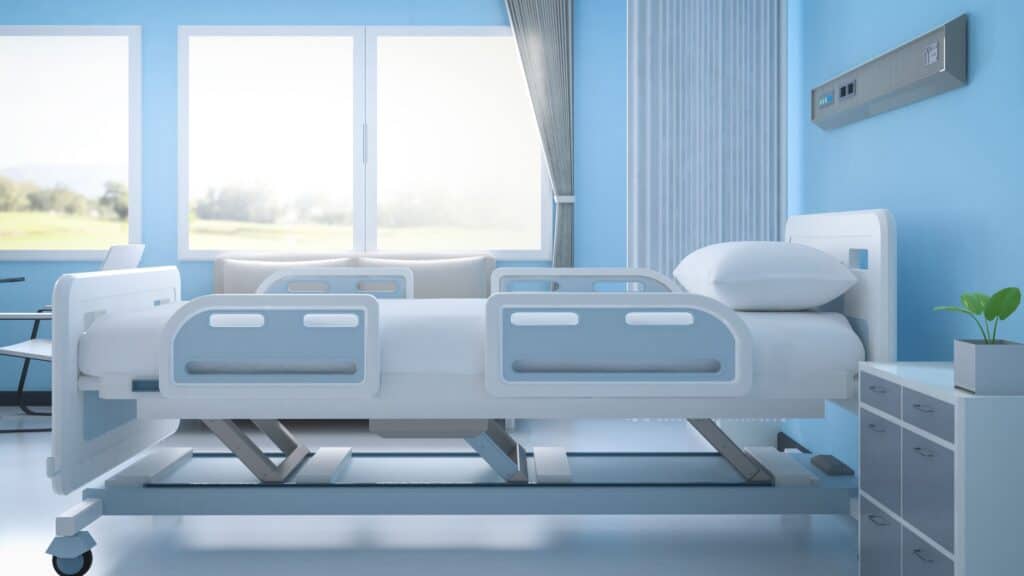
Elegir la cama geriátrica adecuada es una decisión estratégica para cualquier residencia o centro de cuidados a largo plazo. Una mala elección puede generar problemas de seguridad, incomodidad para el residente y sobrecarga para el personal. Esta guía paso a paso le ayudará a tomar una decisión informada y sostenible. Paso 1: Analizar el Perfil de los Residentes Antes de elegir una cama, es fundamental entender las necesidades reales de los residentes. Considere: Las residencias con perfiles variados deben optar por camas versátiles y ajustables. Paso 2: Priorizar la Seguridad del Residente La seguridad debe ser el criterio número uno. Busque camas con: Esto ayuda a reducir el riesgo de caídas, una de las principales causas de lesiones en adultos mayores. 🔗 Referencia externa:CDC – Prevención de caídas en adultos mayoreshttps://www.cdc.gov Paso 3: Evaluar la Comodidad para Uso Prolongado Las camas geriátricas no son solo equipos médicos; son parte del entorno diario del residente. Asp
Preguntas Frecuentes sobre Camas Geriátricas para Residencias y Centros de Cuidado

Las camas geriátricas son un elemento esencial en residencias, hogares de ancianos y centros de cuidados a largo plazo. Sin embargo, muchas instituciones tienen dudas antes de tomar una decisión de compra. A continuación, respondemos las preguntas más comunes para ayudarle a elegir correctamente. 1. ¿Qué es una cama geriátrica? Una cama geriátrica es una cama médica diseñada específicamente para el cuidado de adultos mayores, con funciones que mejoran la seguridad, la comodidad y la eficiencia del personal de cuidado. Incluye características como: 2. ¿Cuál es la diferencia entre una cama hospitalaria y una cama geriátrica? Aunque son similares, su uso es diferente: Las residencias deben priorizar camas geriátricas por su comodidad y adaptabilidad a largo plazo. 🔗 Enlace interno:Camas para Cuidados a Largo Plazo 3. ¿Las camas geriátricas ayudan a prevenir caídas? Sí. Las camas modernas están diseñadas para reducir el riesgo de caídas, gracias a: 🔗 Referencia externa:CDC – Prevención de
How Aging Populations Are Driving Demand for Advanced Elderly Care Beds
The global population is aging at an unprecedented rate. As life expectancy increases and birth rates decline, healthcare systems around the world are facing new challenges—particularly in elderly care and long-term care environments. One major result of this demographic shift is the growing demand for advanced elderly care beds designed to support safety, comfort, and long-term care efficiency. 1. The Global Aging Population Trend According to international health organizations, the number of people aged 65 and over is increasing rapidly worldwide. This shift is transforming healthcare priorities and infrastructure needs. Key impacts include: 🔗 External reference:World Health Organization (WHO) – Ageing and Healthhttps://www.who.int 2. Why Traditional Hospital Beds Are No Longer Enough Traditional hospital beds are designed for short-term treatment, not long-term living. Elderly patients often require beds that support daily comfort, independence, and safety over extended periods. Li
Common Mistakes Nursing Homes Make When Choosing Beds
Choosing the right beds for a nursing home is a critical decision that directly impacts resident safety, comfort, and caregiver efficiency. However, many facilities make avoidable mistakes during the selection process—often leading to higher long-term costs and operational challenges. Below are the most common mistakes nursing homes make when choosing beds, and how to avoid them. 1. Prioritizing Price Over Long-Term Value One of the biggest mistakes is choosing beds based solely on the lowest upfront cost. Low-cost beds often result in: High-quality elderly care beds provide better durability, improved safety, and lower total cost of ownership over time. 🔗 Internal link:Elderly Care Beds for Nursing Homes 2. Ignoring Fall Prevention Features Falls are a leading cause of injury among elderly residents. Beds that lack proper fall-prevention design significantly increase risk. Common oversights include: Modern nursing home beds should support low-entry height and stable positioning to re
Pressure Ulcer Prevention in Bedridden Patients: Essential Nursing Techniques
Pressure ulcers, also known as bedsores or decubitus ulcers, are a common concern for bedridden or immobile patients. These painful and potentially dangerous wounds occur when there is prolonged pressure on a particular part of the body, leading to reduced blood flow and tissue damage. Preventing pressure ulcers is an essential part of patient care, especially in hospitals, nursing homes, and home care settings. In this article, we will explore essential nursing techniques and best practices to prevent pressure ulcers and ensure your patients receive the best care possible. 1. Understanding Pressure Ulcers: Causes and Risk Factors Pressure ulcers form when pressure on the skin and underlying tissues reduces blood flow, leading to tissue death. They typically occur in areas where bones are close to the skin’s surface, such as the heels, sacrum, and elbows. Prolonged pressure, moisture, and friction are the main causes, but other factors such as poor nutrition, dehydration, and immobili
Por qué la Cama de Enfermería LSLS008 de Uso Dual es una Innovación en el Cuidado del Paciente
En el cuidado moderno de la salud, las camas de enfermería han dejado de ser simples muebles para convertirse en equipos clínicos esenciales. La cama de enfermería LSLS008 de uso dual es una innovación patentada diseñada para satisfacer necesidades clínicas reales y mejorar la seguridad del paciente y la eficiencia del personal de enfermería. Esta cama combina funciones de cama de enfermería eléctrica y cama con giro manual, ofreciendo flexibilidad y confiabilidad para hospitales, residencias y centros de cuidado a largo plazo. 1. Necesidades Clínicas que Impulsan la Innovación El personal de enfermería enfrenta desafíos significativos, especialmente en UCI y centros de cuidado prolongado. Las camas tradicionales carecen de la combinación de ajuste eléctrico y función de giro manual, necesaria para reposicionar al paciente de manera segura y eficiente. Como resultado, el personal sufre fatiga física y aumenta el riesgo de lesiones. Una cama de enfermería con función de giro es esencia
From User Needs to Industry Value: How Lisamed Developed the LSLS008 Patented Dual-Use Nursing Bed
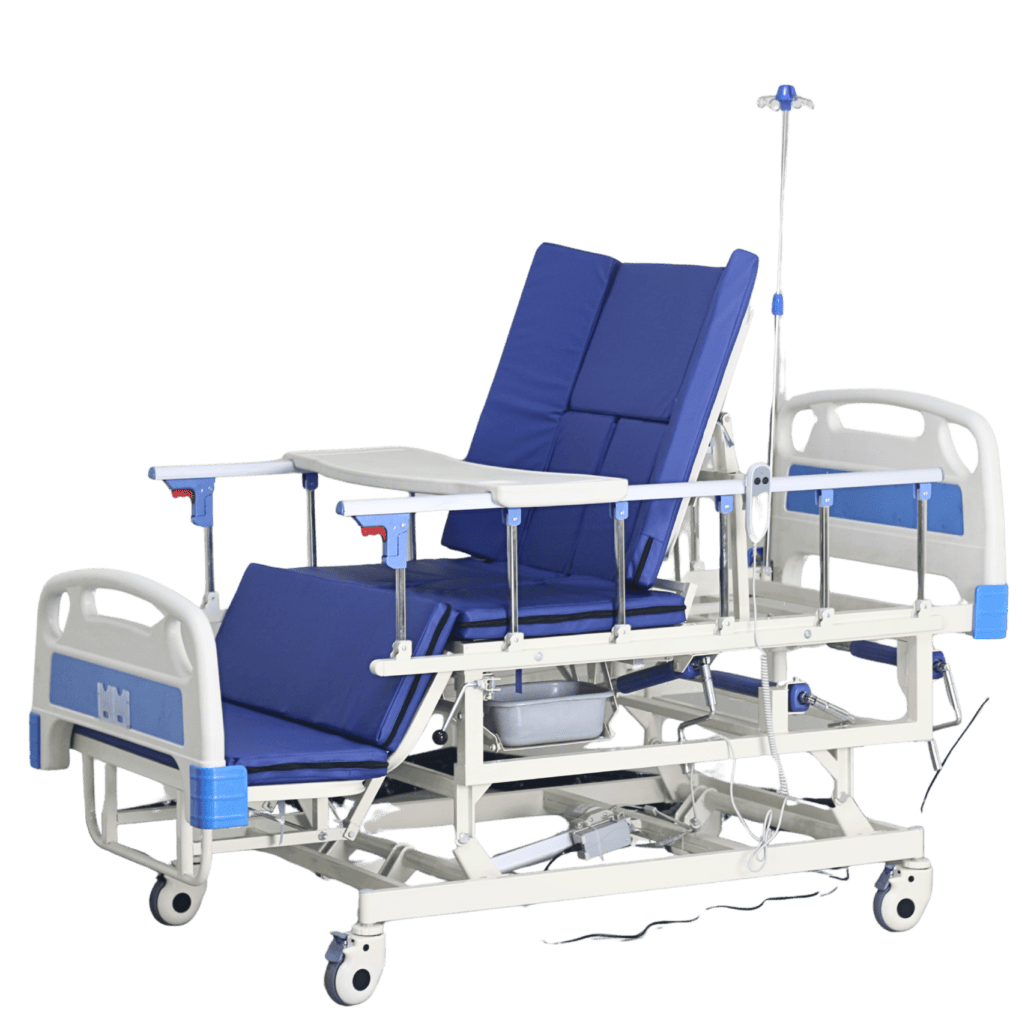
In today’s healthcare environment, innovation is no longer driven by technology alone—it is driven by real clinical needs. Hospitals, long-term care facilities, and rehabilitation centers are under increasing pressure to improve care quality while controlling labor costs and operational risks. The LSLS008 Dual-Use Nursing Bed (Electric & Manual Turning Bed) is a patented solution developed by Lisamed through a user-centric product development approach. It demonstrates how listening to frontline caregivers and translating their needs into practical engineering can generate both clinical impact and commercial value. 1. Identifying Real Clinical Pain Points 1.1 Challenges in Daily Nursing Care Through long-term collaboration with hospitals and care institutions across multiple regions, Lisamed identified several recurring challenges in nursing bed usage: These challenges are especially prominent in ICUs, general wards, nursing homes, and long-term care facilities, where patient mobil
Integrated Hospital Bed with Weighing System: Why the LSHR-D06 Is a Game Changer for ICU & Ward Care
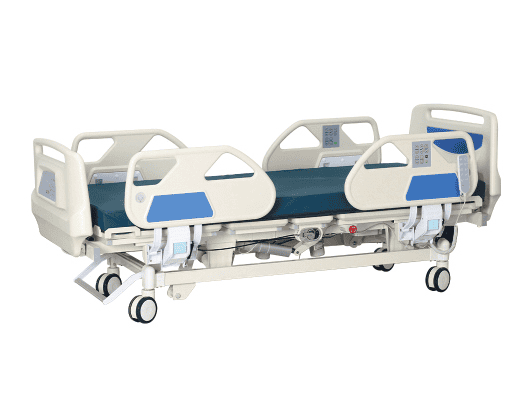
1. Introduction: The New Standard in Hospital Bed Technology In today’s competitive healthcare environment, hospital administrators and procurement professionals seek solutions that enhance care quality while optimizing clinical workflows. The LSHR-D06 Five-Function Hospital Bed with Integrated Weighing System meets these needs by combining electric positioning functions with an advanced built-in weight scale — eliminating separate weighing processes and improving clinical accuracy. This integrated approach is gaining traction in intensive care units (ICUs), surgical recovery wards, rehabilitation centers, and long-term care facilities where precise patient monitoring and comfort are paramount. 2. What Makes the LSHR-D06 Unique Electric Five-Function Adjustability The LSHR-D06 includes all essential electric adjustment functions: These capabilities support clinical protocols from routine care to critical interventions, reducing physical strain on caregivers and improving patient exper