
How Distributors Choose Medical Equipment Manufacturers in China

China has become one of the world’s most important manufacturing hubs for medical equipment. For distributors, choosing the right medical equipment manufacturer in China can mean the difference between stable growth and costly failure. Experienced distributors do not rely on instinct alone. Instead, they follow a structured evaluation process focused on long-term reliability, compliance, and scalability. Below is how professional distributors make their decisions. 1. Product Focus Comes First Distributors rarely look for “general factories.” They look for manufacturers that: For example, a distributor focused on hospital beds or ICU furniture prefers manufacturers with a proven track record in those exact products—not factories producing unrelated equipment. 👉 Key question distributors ask:“Is this factory an expert in my product, or just producing it?” 2. Quality Management Systems Matter More Than Claims Every factory claims “high quality.”Distributors look for systems, not slogans.
How Distributors Build Private Label Medical Bed Brands
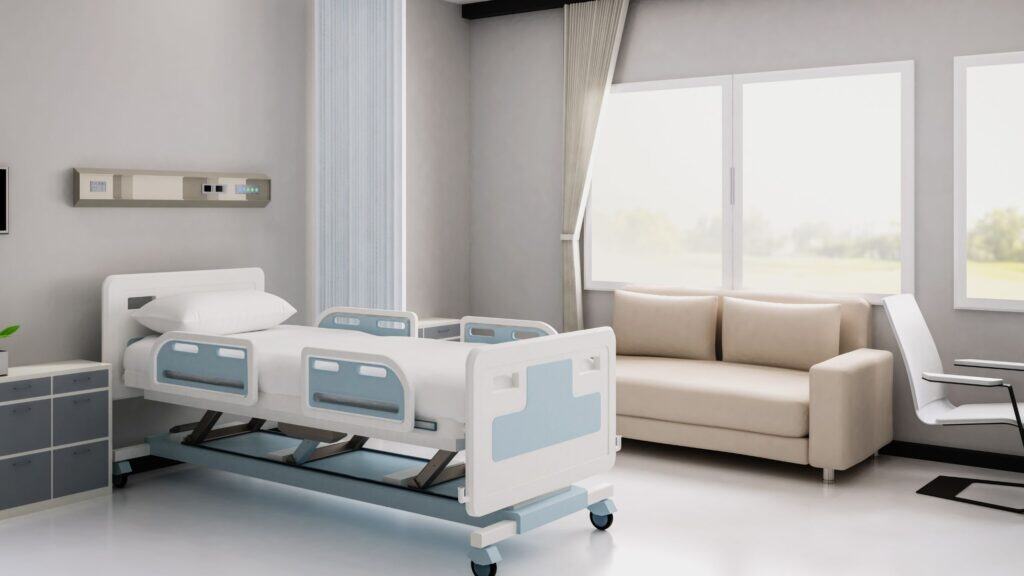
In today’s competitive medical equipment market, many distributors are no longer satisfied with selling generic products. Instead, they are building private label medical bed brands—creating long-term value, higher margins, and stronger customer loyalty. But successful private labeling is not just about putting a logo on a product. It requires the right strategy, the right manufacturer, and a long-term mindset. Here’s how experienced distributors build strong private label medical bed brands. 1. Choosing the Right OEM Manufacturing Partner The foundation of any private label brand is a reliable OEM medical bed manufacturer. Distributors should look for partners who offer: A manufacturer is not just a supplier—it becomes an extension of the distributor’s brand. 🔗 Internal link:About Lisamed – OEM Medical Bed Manufacturer 2. Starting with Proven, Market-Ready Models Successful distributors rarely start from scratch. Instead, they: This approach shortens time-to-market while ensuring rel
Common Mistakes Nursing Homes Make When Choosing Beds

Choosing the right beds for a nursing home is a critical decision that directly impacts resident safety, comfort, and caregiver efficiency. However, many facilities make avoidable mistakes during the selection process—often leading to higher long-term costs and operational challenges. Below are the most common mistakes nursing homes make when choosing beds, and how to avoid them. 1. Prioritizing Price Over Long-Term Value One of the biggest mistakes is choosing beds based solely on the lowest upfront cost. Low-cost beds often result in: High-quality elderly care beds provide better durability, improved safety, and lower total cost of ownership over time. 🔗 Internal link:Elderly Care Beds for Nursing Homes 2. Ignoring Fall Prevention Features Falls are a leading cause of injury among elderly residents. Beds that lack proper fall-prevention design significantly increase risk. Common oversights include: Modern nursing home beds should support low-entry height and stable positioning to re
The Top Five Trends Influencing ICU Equipment Purchasing Decisions Worldwide
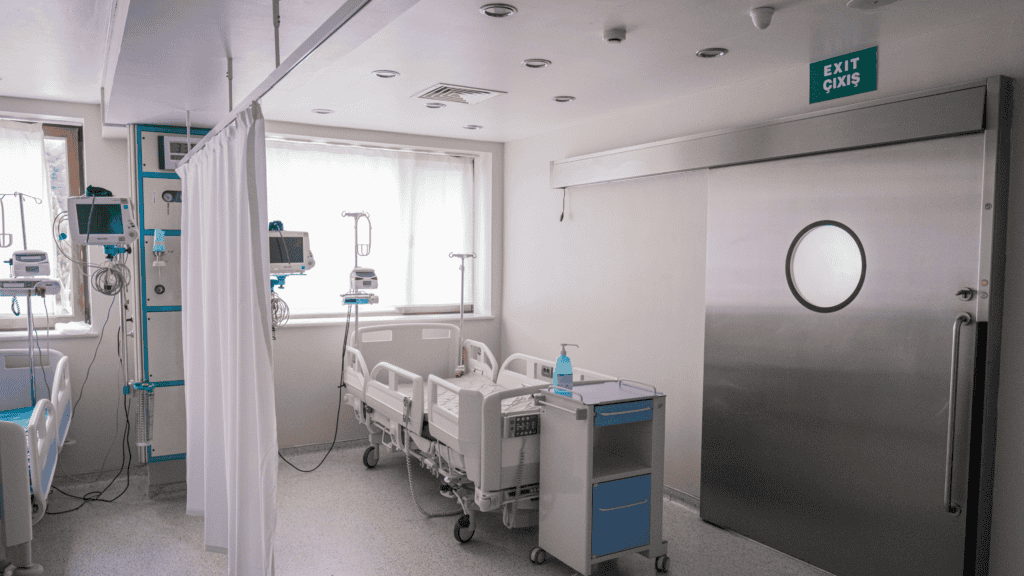
Procurement of Intensive Care Unit (ICU) equipment is among the most critical and strategic investments hospitals make. ICU devices directly affect patient safety, clinical outcomes, and operational efficiency. As healthcare systems evolve, hospitals and health systems are adopting new criteria and priorities for ICU-related purchases. Understanding these trends helps manufacturers, distributors, and hospital procurement leaders make informed decisions that align with global best practices.ICU equipment purchasing trends Below, we explore the top five trends shaping ICU equipment purchasing decisions worldwide. 1. Digital Integration and Connectivity Hospitals increasingly prioritize ICU equipment that supports digital integration. Standalone devices are no longer sufficient; modern purchasers seek equipment capable of: Connected systems improve workflow efficiency, reduce manual data entry, and enhance clinical decision-making—making digital integration a core evaluation criterion. 2
Medical Infrastructure Upgrades in Emerging Markets: New Opportunities for Equipment Investment
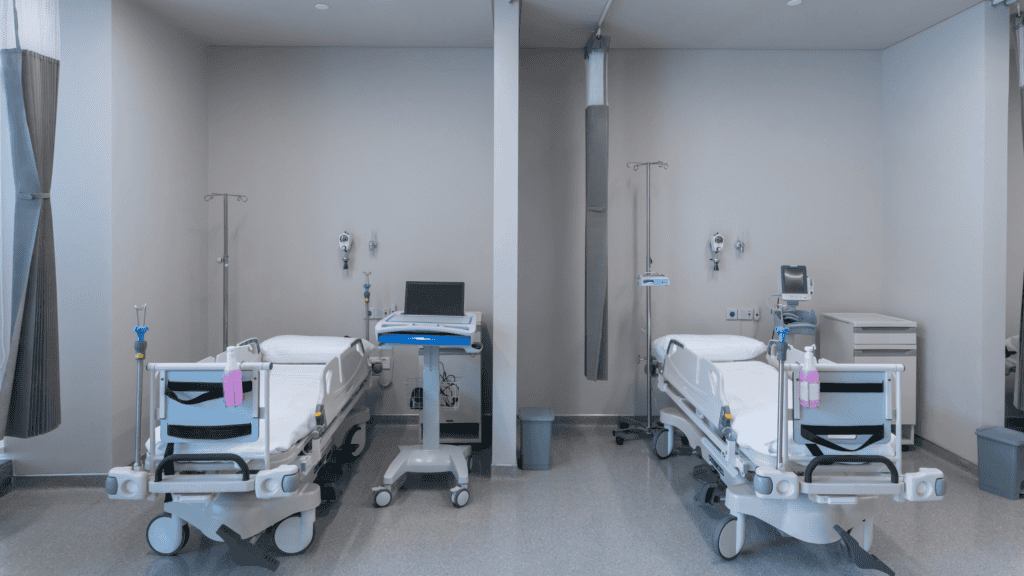
Emerging markets are becoming one of the most dynamic growth drivers in the global healthcare industry. Governments, private investors, and international organizations are accelerating investments in medical infrastructure to meet rising healthcare demand and improve access to quality care. As hospitals expand and modernize, medical equipment investment is playing a central role in transforming healthcare systems across Asia, Africa, the Middle East, and Latin America. This article explores why medical infrastructure upgrades in emerging markets are creating new opportunities—and what equipment suppliers and investors should consider. 1. Healthcare Demand Is Outpacing Existing Infrastructure Rapid population growth, urbanization, and changing disease patterns are placing unprecedented pressure on healthcare systems in emerging markets. Many countries are facing: To address these gaps, governments and private healthcare providers are prioritizing large-scale hospital construction, reno
AI and Automation Trends in Modern ICU Equipment

Artificial intelligence (AI) and automation are rapidly redefining the capabilities of modern Intensive Care Unit (ICU) equipment. As ICUs manage increasingly complex patients under mounting operational pressure, hospitals are turning to intelligent technologies to enhance clinical accuracy, efficiency, and patient safety. Rather than replacing clinicians, AI-driven and automated ICU systems are designed to support decision-making, reduce workload, and improve outcomes. This article explores the key AI and automation trends shaping modern ICU equipment and their impact on critical care delivery.intelligent medical devices. 1. AI-Enhanced Patient Monitoring and Early Warning Systems Traditional ICU monitors display vital signs but rely heavily on human interpretation. AI-enhanced monitoring systems go further by: These systems support faster clinical intervention and help reduce preventable complications such as sepsis, respiratory failure, and cardiac instability. 2. Intelligent Alarm
Digital Transformation in Medical Devices: What Data Connectivity Is Changing
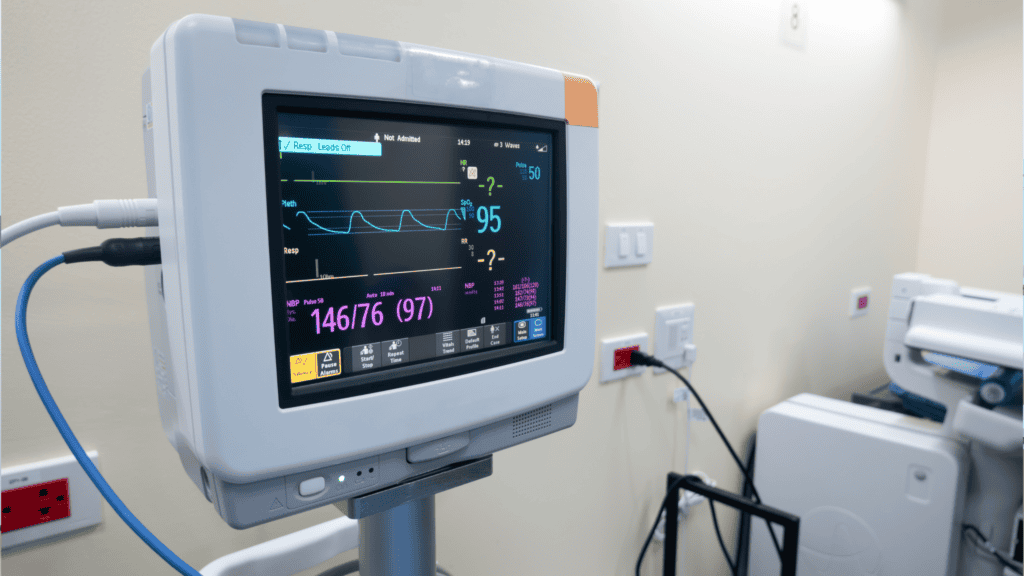
Below is a complete, original English blog article based on the title “Digital Transformation in Medical Devices: What Data Connectivity Is Changing”, written in a professional, global medical-device industry tone.It includes SEO title, meta description, and keywords, and is suitable for publication on a B2B healthcare website. Digital transformation is redefining the medical device industry. At the center of this shift is data connectivity—the ability of medical devices to collect, transmit, integrate, and analyze data across hospital systems. What was once a collection of standalone devices is evolving into a connected ecosystem that supports clinical decisions, operational efficiency, and long-term healthcare outcomes. As hospitals accelerate digital adoption, data connectivity is no longer optional—it is foundational. This article examines how data connectivity is changing medical devices and what this transformation means for hospitals, clinicians, and manufacturers. 1. From Stan
A Deep Dive into ICU Medical Equipment Market Trends for 2026
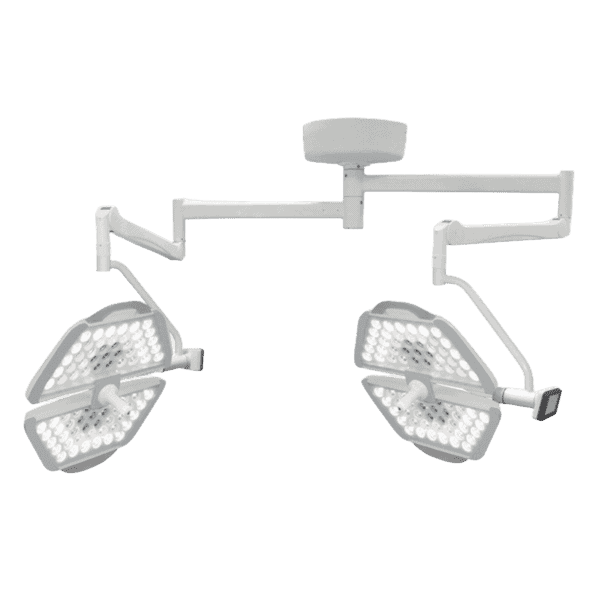
The global Intensive Care Unit (ICU) medical equipment market is entering a new phase of transformation. Driven by demographic changes, technological innovation, and evolving hospital care models, ICU equipment demand is no longer defined solely by volume—but by intelligence, integration, and long-term value. As we approach 2026, hospitals, manufacturers, and distributors must understand not only what is changing in the ICU equipment landscape, but why these shifts matter and how they will shape purchasing and clinical decisions worldwide. This article explores the most significant ICU medical equipment market trends expected to define 2026. 1. Rising Demand Driven by Aging Populations and Chronic Disease One of the strongest structural drivers of ICU equipment growth remains global demographics. Aging populations in both developed and emerging markets are increasing the incidence of chronic conditions such as cardiovascular disease, respiratory failure, and sepsis—conditions that fre