
Medical Equipment Manufacturing Process Explained
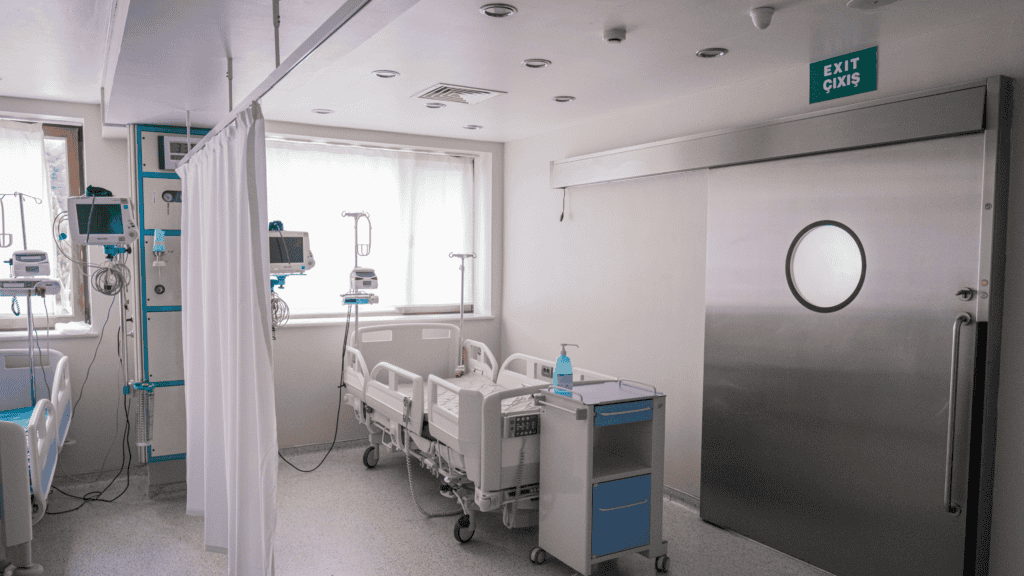
In the global healthcare industry, quality, reliability, and compliance are critical. At LisaMed, we specialize in manufacturing and exporting medical equipment for operating rooms and intensive care units worldwide. This article takes you inside our factory to explain how medical equipment is designed, manufactured, tested, and delivered to meet international standards. Product Design & Clinical Requirements Analysis Every medical device starts with a clear clinical purpose. Our engineering team works closely with hospitals, distributors, and OEM/ODM partners to understand real-world clinical needs. During this stage, we focus on: For OEM and ODM projects, LisaMed provides customized solutions including appearance design, functional configuration, and branding options. Raw Material Selection & Component Sourcing High-quality medical equipment begins with premium materials. LisaMed carefully selects certified raw materials and key components to ensure durability and safety. We
How Distributors Choose Medical Equipment Manufacturers in China

China has become one of the world’s most important manufacturing hubs for medical equipment. For distributors, choosing the right medical equipment manufacturer in China can mean the difference between stable growth and costly failure. Experienced distributors do not rely on instinct alone. Instead, they follow a structured evaluation process focused on long-term reliability, compliance, and scalability. Below is how professional distributors make their decisions. 1. Product Focus Comes First Distributors rarely look for “general factories.” They look for manufacturers that: For example, a distributor focused on hospital beds or ICU furniture prefers manufacturers with a proven track record in those exact products—not factories producing unrelated equipment. 👉 Key question distributors ask:“Is this factory an expert in my product, or just producing it?” 2. Quality Management Systems Matter More Than Claims Every factory claims “high quality.”Distributors look for systems, not slogans.
How Distributors Build Private Label Medical Bed Brands
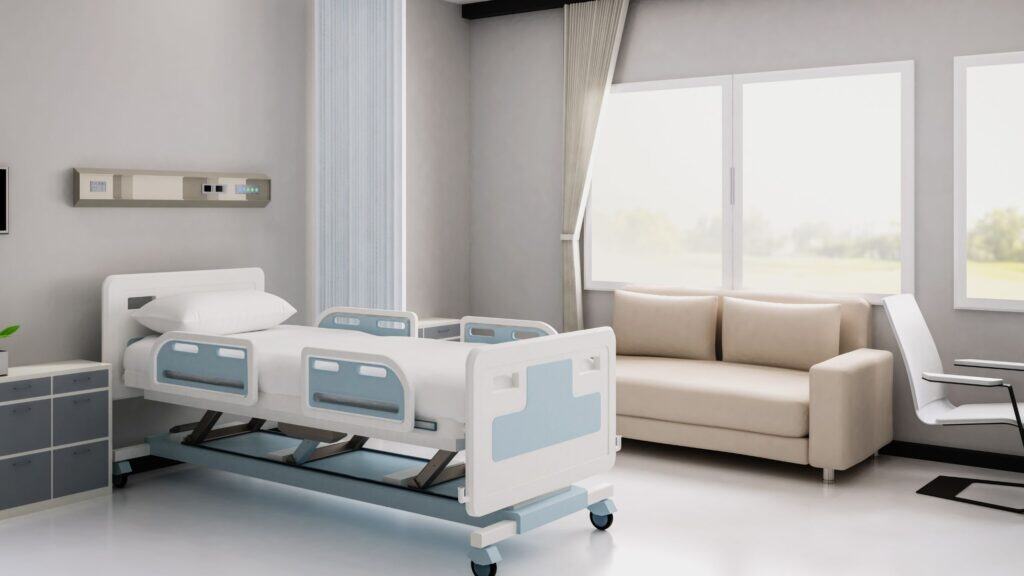
In today’s competitive medical equipment market, many distributors are no longer satisfied with selling generic products. Instead, they are building private label medical bed brands—creating long-term value, higher margins, and stronger customer loyalty. But successful private labeling is not just about putting a logo on a product. It requires the right strategy, the right manufacturer, and a long-term mindset. Here’s how experienced distributors build strong private label medical bed brands. 1. Choosing the Right OEM Manufacturing Partner The foundation of any private label brand is a reliable OEM medical bed manufacturer. Distributors should look for partners who offer: A manufacturer is not just a supplier—it becomes an extension of the distributor’s brand. 🔗 Internal link:About Lisamed – OEM Medical Bed Manufacturer 2. Starting with Proven, Market-Ready Models Successful distributors rarely start from scratch. Instead, they: This approach shortens time-to-market while ensuring rel
Top Safety Features Every Nursing Home Bed Should Have

Safety is the foundation of quality care in nursing homes and senior living facilities. Elderly residents are more vulnerable to falls, mobility limitations, and long-term health complications, making bed safety one of the most critical factors in daily care. Below are the top safety features every nursing home bed should have to protect residents, support caregivers, and meet modern care standards. 👉 Related solutions:Elderly Care Beds for Nursing Homes 1. Low Minimum Bed Height for Fall Prevention Falls are one of the most common and serious risks in elderly care environments. A nursing home bed with a low minimum height significantly reduces injury risk if a resident rolls or steps out of bed. Key benefits: Low-height design is considered a core safety requirement for modern elderly care beds. 🔗 External reference:World Health Organization (WHO) – Fall Prevention in Older Adultshttps://www.who.int 2. Side Rails with Safe Locking Mechanisms Side rails help prevent accidental falls w
Elderly Care Bed Buying Guide for Nursing Homes and Senior Living Facilities

Nursing homes and senior living facilities face unique challenges when selecting medical equipment. Elderly residents often require long-term care, daily assistance, and a safe living environment. Choosing the right elderly care bed is essential for improving resident comfort, reducing caregiver workload, and preventing injuries. This guide focuses specifically on how to select the best beds for nursing homes and senior living facilities. 👉 Related solutions:Elderly Care Beds for Nursing Homes 1. Daily Living Needs in Senior Care Facilities Unlike acute hospital settings, elderly care facilities focus on daily living support rather than short-term treatment. Beds must support activities such as: An ideal senior care bed balances medical functionality with home-like comfort. 2. Low Bed Height for Fall Prevention Falls are one of the most common risks in elderly care environments. Beds with a low minimum height significantly reduce the risk of serious injury. Key considerations: 🔗 Exter
Elderly Care Bed Buying Guide: How to Choose the Best Bed for Senior Care Facilities

As the global population ages, the demand for high-quality elderly care beds continues to grow. Nursing homes, senior care centers, and hospitals must carefully select beds that provide safety, comfort, and long-term reliability for elderly patients. This elderly care bed buying guide will help healthcare providers understand the most important factors when choosing beds for senior care environments. 👉 Related solutions:Elderly Care Beds for Nursing Homes 1. Why Elderly Care Beds Are Different from Standard Hospital Beds Elderly patients often have reduced mobility, weaker muscle strength, and higher risks of falls and pressure injuries. Unlike standard hospital beds, beds for elderly care are designed to support daily living, long-term comfort, and safety. Key differences include: Choosing the right bed directly impacts quality of life for senior patients. 2. Safety Features to Prioritize for Elderly Patients Safety is the top priority in senior care environments. An ideal elderly ca
How to Choose the Right Hospital Bed: A Complete Buying Guide for Healthcare Facilities
Choosing the right hospital bed is a critical decision for healthcare facilities. The quality of medical beds directly affects patient safety, comfort, nursing efficiency, and long-term operating costs. This hospital bed buying guide will help hospitals, clinics, nursing homes, and rehabilitation centers understand the key factors to consider before purchasing medical beds. 👉 Related solutions:Hospital Medical Beds for Healthcare Facilities 1. Understand the Type of Healthcare Facility Different healthcare environments have different requirements. Before selecting a medical bed, facilities should clearly define their primary use cases. Common facility types include: Each setting requires specific bed features and load capacities. 🔗 Internal link:Medical Beds for Long-Term and Elderly Care 2. Manual vs. Electric Hospital Beds One of the first decisions is whether to choose manual or electric hospital beds. Electric hospital beds offer: They are especially recommended for facilities wit
What Equipment Is Used in an Operating Room? A Complete Overview

An operating room (OR) is one of the most complex and technology-intensive environments in a hospital. Every piece of equipment in the OR plays a critical role in ensuring patient safety, surgical precision, and efficient clinical workflows. While patients may only notice a few visible devices, a modern operating room is supported by a carefully coordinated system of medical equipment designed to work together throughout the entire surgical process. This article provides a complete, easy-to-understand overview of the essential equipment used in an operating room. 1. Operating Table The operating table is the central element of the OR. It is designed to support the patient safely while allowing surgeons optimal access to the surgical site. Modern operating tables offer: Proper patient positioning is essential for surgical accuracy and patient safety, making the operating table a foundational OR device. 2. Surgical Lights Surgical lights provide bright, shadow-free illumination of the o
How To Choose A Manual Wheelchair?
Choosing a manual wheelchair is a critical decision that directly impacts your independence and daily quality of life. To make a smart choice that works for years, you must evaluate your physical capabilities, your primary environment, and the specific wheelchair type that fits your lifestyle. How to choose a manual wheelchair 1. Assess Your Physical Needs and Mobility Level Your physical abilities dictate which frame design and wheel size will serve you best. Focus on these three areas: 2. Determine the Primary Usage Environment Where you spend your time should shape your wheelchair’s dimensions and tire type: 3. Select the Wheelchair Type Based on Lifestyle Manual wheelchairs generally fall into three categories, each offering a different balance of control and portability: Wheelchair Type Best For Key Characteristic Standard General daily use Durable but often heavier. Lightweight Active users Easier to propel and transport independently. Transport Caregiver assistance Smalle