
Medical Infrastructure Upgrades in Emerging Markets: New Opportunities for Equipment Investment
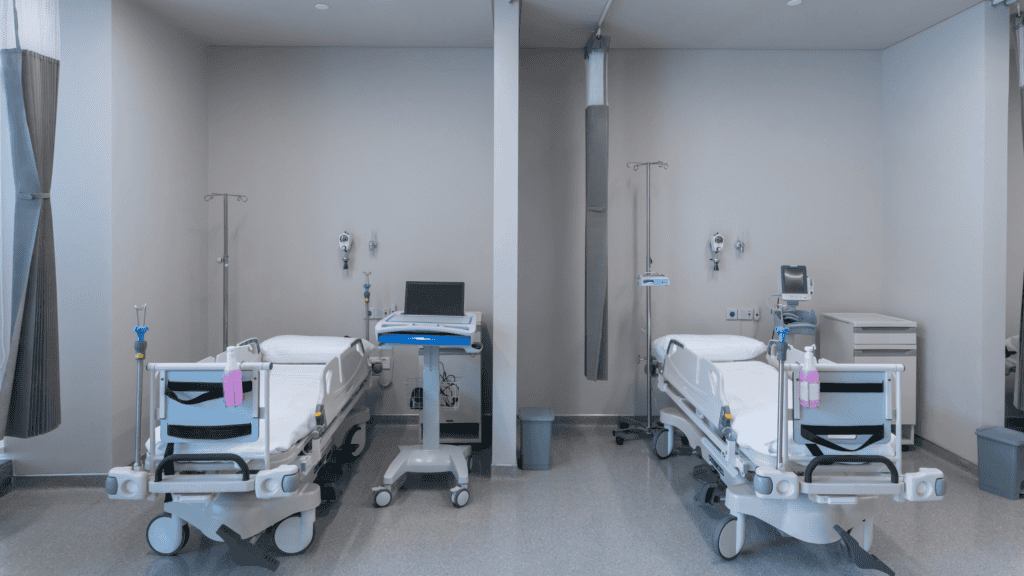
Emerging markets are becoming one of the most dynamic growth drivers in the global healthcare industry. Governments, private investors, and international organizations are accelerating investments in medical infrastructure to meet rising healthcare demand and improve access to quality care. As hospitals expand and modernize, medical equipment investment is playing a central role in transforming healthcare systems across Asia, Africa, the Middle East, and Latin America. This article explores why medical infrastructure upgrades in emerging markets are creating new opportunities—and what equipment suppliers and investors should consider. 1. Healthcare Demand Is Outpacing Existing Infrastructure Rapid population growth, urbanization, and changing disease patterns are placing unprecedented pressure on healthcare systems in emerging markets. Many countries are facing: To address these gaps, governments and private healthcare providers are prioritizing large-scale hospital construction, reno
AI and Automation Trends in Modern ICU Equipment

Artificial intelligence (AI) and automation are rapidly redefining the capabilities of modern Intensive Care Unit (ICU) equipment. As ICUs manage increasingly complex patients under mounting operational pressure, hospitals are turning to intelligent technologies to enhance clinical accuracy, efficiency, and patient safety. Rather than replacing clinicians, AI-driven and automated ICU systems are designed to support decision-making, reduce workload, and improve outcomes. This article explores the key AI and automation trends shaping modern ICU equipment and their impact on critical care delivery.intelligent medical devices. 1. AI-Enhanced Patient Monitoring and Early Warning Systems Traditional ICU monitors display vital signs but rely heavily on human interpretation. AI-enhanced monitoring systems go further by: These systems support faster clinical intervention and help reduce preventable complications such as sepsis, respiratory failure, and cardiac instability. 2. Intelligent Alarm
What Equipment Is Used in an Operating Room? A Complete Overview
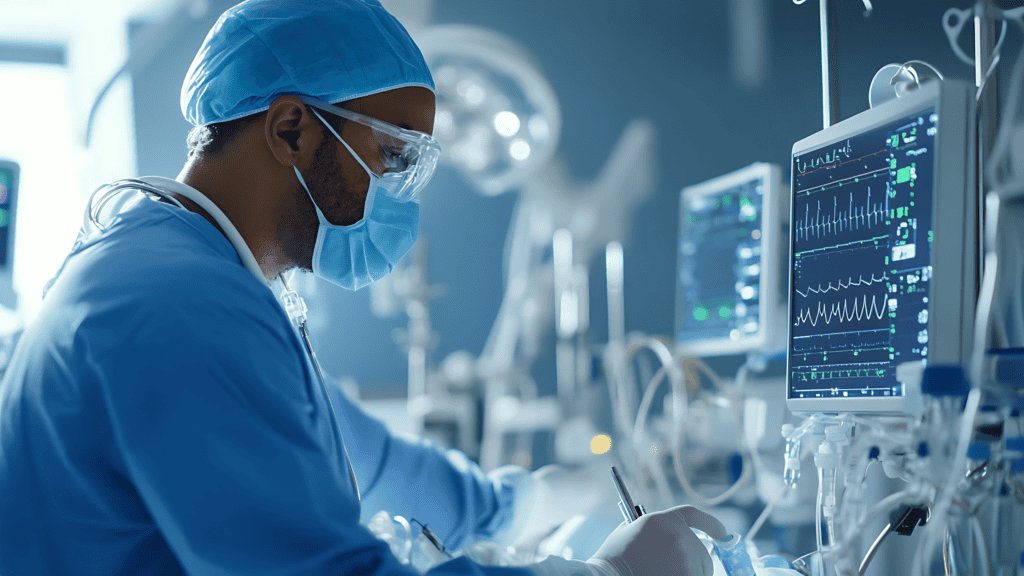
An operating room (OR) is one of the most complex and technology-intensive environments in a hospital. Every piece of equipment in the OR plays a critical role in ensuring patient safety, surgical precision, and efficient clinical workflows. While patients may only notice a few visible devices, a modern operating room is supported by a carefully coordinated system of medical equipment designed to work together throughout the entire surgical process. This article provides a complete, easy-to-understand overview of the essential equipment used in an operating room. 1. Operating Table The operating table is the central element of the OR. It is designed to support the patient safely while allowing surgeons optimal access to the surgical site. Modern operating tables offer: Proper patient positioning is essential for surgical accuracy and patient safety, making the operating table a foundational OR device. 2. Surgical Lights Surgical lights provide bright, shadow-free illumination of the o
Digital Transformation in Medical Devices: What Data Connectivity Is Changing
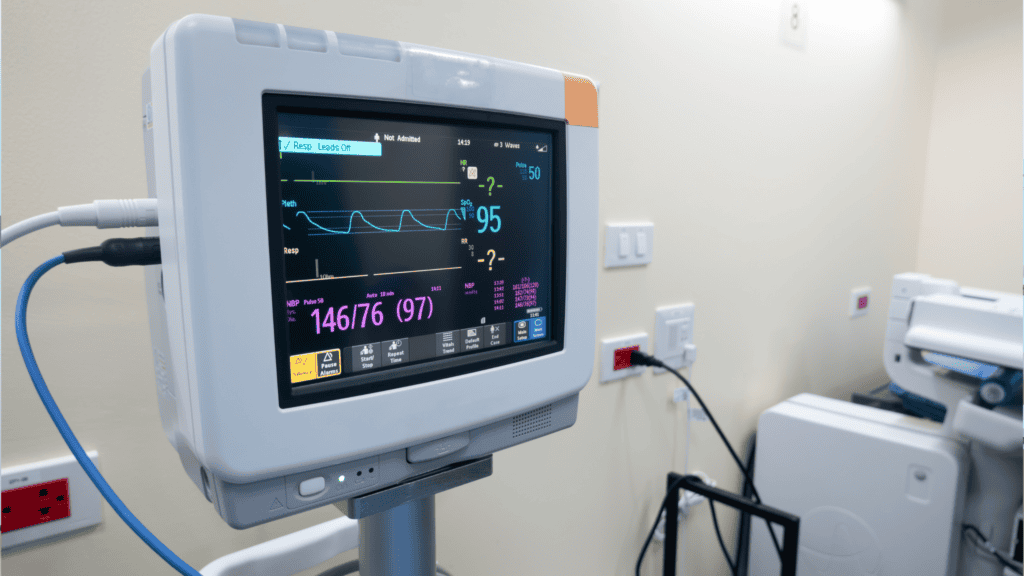
Below is a complete, original English blog article based on the title “Digital Transformation in Medical Devices: What Data Connectivity Is Changing”, written in a professional, global medical-device industry tone.It includes SEO title, meta description, and keywords, and is suitable for publication on a B2B healthcare website. Digital transformation is redefining the medical device industry. At the center of this shift is data connectivity—the ability of medical devices to collect, transmit, integrate, and analyze data across hospital systems. What was once a collection of standalone devices is evolving into a connected ecosystem that supports clinical decisions, operational efficiency, and long-term healthcare outcomes. As hospitals accelerate digital adoption, data connectivity is no longer optional—it is foundational. This article examines how data connectivity is changing medical devices and what this transformation means for hospitals, clinicians, and manufacturers. 1. From Stan
A Deep Dive into ICU Medical Equipment Market Trends for 2026
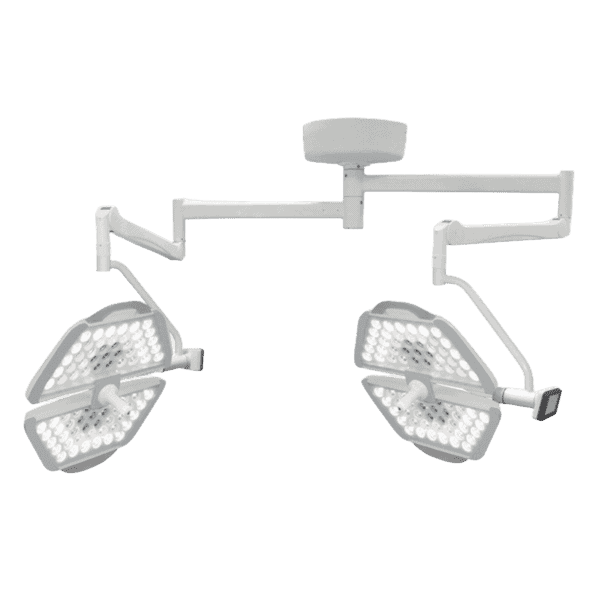
The global Intensive Care Unit (ICU) medical equipment market is entering a new phase of transformation. Driven by demographic changes, technological innovation, and evolving hospital care models, ICU equipment demand is no longer defined solely by volume—but by intelligence, integration, and long-term value. As we approach 2026, hospitals, manufacturers, and distributors must understand not only what is changing in the ICU equipment landscape, but why these shifts matter and how they will shape purchasing and clinical decisions worldwide. This article explores the most significant ICU medical equipment market trends expected to define 2026. 1. Rising Demand Driven by Aging Populations and Chronic Disease One of the strongest structural drivers of ICU equipment growth remains global demographics. Aging populations in both developed and emerging markets are increasing the incidence of chronic conditions such as cardiovascular disease, respiratory failure, and sepsis—conditions that fre
How To Choose A Manual Wheelchair?
Choosing a manual wheelchair is a critical decision that directly impacts your independence and daily quality of life. To make a smart choice that works for years, you must evaluate your physical capabilities, your primary environment, and the specific wheelchair type that fits your lifestyle. How to choose a manual wheelchair 1. Assess Your Physical Needs and Mobility Level Your physical abilities dictate which frame design and wheel size will serve you best. Focus on these three areas: 2. Determine the Primary Usage Environment Where you spend your time should shape your wheelchair’s dimensions and tire type: 3. Select the Wheelchair Type Based on Lifestyle Manual wheelchairs generally fall into three categories, each offering a different balance of control and portability: Wheelchair Type Best For Key Characteristic Standard General daily use Durable but often heavier. Lightweight Active users Easier to propel and transport independently. Transport Caregiver assistance Smalle
The Strategic ROI of Infusion Pumps: Value Beyond the Price Tag

For cliFor clinical directors and procurement decision-makers at leading institutions like Ángeles del Pedregal in Mexico City, evaluating an infusion pump’s worth extends far beyond the initial invoice. The true value lies in its Comprehensive Economic Effect throughout its lifecycle—how it optimizes clinical workflows, mitigates risks, and strengthens the hospital’s financial moat.Smart infusion pump ROI 1. The “Safety Economics” of Reducing Medication Errors According to the Anesthesia Patient Safety Foundation (APSF), a single serious medication error can cost a hospital tens of thousands of dollars in subsequent treatments and legal fees. 2. Reclaiming Nursing Time: Quantifying Operational Efficiency Nursing shortages are a global challenge in 2026. The manual setup and verification required by traditional pumps represent a massive hidden labor cost. 3. The Savvy Calculation of Total Cost of Ownership (TCO) Astute decision-makers focus on TCO, which reveal
18-Year Brand Legacy: How Lisa Medical Helps Partners Earn RMB 10B

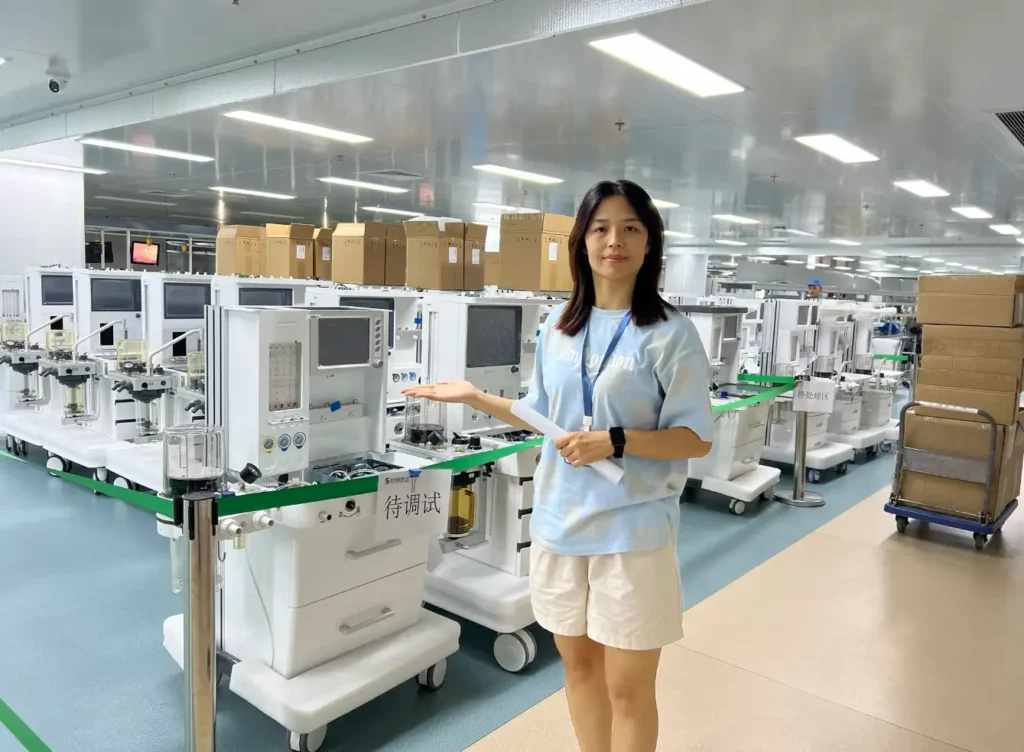
Founded in 2007, Lisa Medical evolved from a single-device provider into a full-scope OR/ICU solutions manufacturer. Over 18 years, we’ve built a production force of 200, a QA and engineering team of 20, secured CE/FDA/ISO certifications, and expanded into over 40 countries.
Lisa Medical’s Comprehensive OR/ICU Turnkey Solutions: Pioneering the Era of Smart Healthcare
Amid the rapid expansion of the global medical device market—from approximately $678.9 bn in 2025 to nearly $1.147 tn by 2034 at a CAGR of 6% —hospitals increasingly seek smarter, tailored, and reliable solutions from top-tier OR equipment manufacturers and ICU pendant suppliers.