
Significant Improvement in Patient Recovery with Our High-Weight Capacity Hospital Beds

Patient recovery outcomes are influenced by many factors, but bed design and load capacity are often underestimated. In recent years, hospitals are seeing a growing number of patients with higher body weight, limited mobility, or complex post-surgical needs. This shift has led to increasing demand for high-weight capacity hospital beds—and measurable improvements in patient recovery when the right solutions are used. The Challenge: Supporting High-Weight Patients Safely Hospitals treating bariatric or high-BMI patients face unique challenges, including: Traditional beds often fail to provide the structural strength and stability required, negatively affecting both patient safety and recovery experience. The Solution: High-Weight Capacity Hospital Beds Our high-weight capacity hospital beds are designed specifically to address these challenges. Key features include: These features ensure consistent performance even under continuous, heavy-duty clinical use. Real Clinical Results: Impro
Post-Discharge Home Care: Key Points to Maintain Care Quality and Equipment Functionality
When patients are discharged from the hospital, transitioning to home care is a critical stage in their recovery. Ensuring that proper care continues at home, alongside maintaining medical equipment, is essential to avoid complications and improve outcomes. Whether you’re caring for a loved one recovering from surgery, managing a chronic condition, or supporting an elderly patient, understanding the key components of home care will ensure a smooth transition. This article provides essential tips on maintaining care quality and properly maintaining medical equipment in a home care setting. 1. Maintaining Consistent and Personalized Care The first step in providing quality home care is creating a personalized care plan. This plan should be based on the patient’s specific needs, taking into account their medical history, recovery process, and any specialized care instructions from healthcare providers. It’s important to maintain a consistent routine to help the patient feel c
Pressure Ulcer Prevention in Bedridden Patients: Essential Nursing Techniques
Pressure ulcers, also known as bedsores or decubitus ulcers, are a common concern for bedridden or immobile patients. These painful and potentially dangerous wounds occur when there is prolonged pressure on a particular part of the body, leading to reduced blood flow and tissue damage. Preventing pressure ulcers is an essential part of patient care, especially in hospitals, nursing homes, and home care settings. In this article, we will explore essential nursing techniques and best practices to prevent pressure ulcers and ensure your patients receive the best care possible. 1. Understanding Pressure Ulcers: Causes and Risk Factors Pressure ulcers form when pressure on the skin and underlying tissues reduces blood flow, leading to tissue death. They typically occur in areas where bones are close to the skin’s surface, such as the heels, sacrum, and elbows. Prolonged pressure, moisture, and friction are the main causes, but other factors such as poor nutrition, dehydration, and immobili
Leading Innovation in Medical Equipment to Meet Evolving Healthcare Needs
In the rapidly evolving healthcare industry, medical equipment must not only meet the current demands but also anticipate the future needs of both healthcare providers and patients. As hospitals and clinics face increasing pressures to provide faster, safer, and more efficient care, the need for high-quality, innovative medical devices becomes even more critical. At LISAMED, we understand these challenges and have dedicated ourselves to developing cutting-edge medical equipment that supports healthcare professionals in delivering the best possible care. 1. The Growing Demand for Advanced Medical Equipment As healthcare systems worldwide continue to face growing patient populations, the need for medical equipment that can accommodate a wide range of patient needs is on the rise. Patients now require more personalized and precise care, whether it’s for emergency situations, long-term care, or routine treatments. LISAMED’s product offerings, such as our Deluxe Hydraulic Stretchers and Mu
Innovating Medical Equipment for Better Healthcare Delivery
As healthcare systems around the world continue to evolve, the demand for high-quality medical equipment is growing. Healthcare providers need reliable, efficient, and durable equipment to deliver the best patient care. At LISAMED, we are proud to be at the forefront of this change, offering state-of-the-art medical devices that support healthcare professionals in providing top-notch care. Our goal is simple – to enhance healthcare delivery through the innovation and quality of our products. High-Performance Medical Equipment for Every Healthcare Need At LISAMED, we offer a wide range of medical equipment designed to meet the varied needs of hospitals, clinics, and healthcare facilities. Whether it’s an advanced hydraulic stretcher, a multifunctional hospital bed with integrated weighing systems, or patient monitoring devices, our products are designed with precision and built to last. Every product is developed to provide safety, comfort, and convenience for both healthcare providers
Por qué la Cama de Enfermería LSLS008 de Uso Dual es una Innovación en el Cuidado del Paciente
En el cuidado moderno de la salud, las camas de enfermería han dejado de ser simples muebles para convertirse en equipos clínicos esenciales. La cama de enfermería LSLS008 de uso dual es una innovación patentada diseñada para satisfacer necesidades clínicas reales y mejorar la seguridad del paciente y la eficiencia del personal de enfermería. Esta cama combina funciones de cama de enfermería eléctrica y cama con giro manual, ofreciendo flexibilidad y confiabilidad para hospitales, residencias y centros de cuidado a largo plazo. 1. Necesidades Clínicas que Impulsan la Innovación El personal de enfermería enfrenta desafíos significativos, especialmente en UCI y centros de cuidado prolongado. Las camas tradicionales carecen de la combinación de ajuste eléctrico y función de giro manual, necesaria para reposicionar al paciente de manera segura y eficiente. Como resultado, el personal sufre fatiga física y aumenta el riesgo de lesiones. Una cama de enfermería con función de giro es esencia
Integrated Hospital Bed with Weighing System: Why the LSHR-D06 Is a Game Changer for ICU & Ward Care
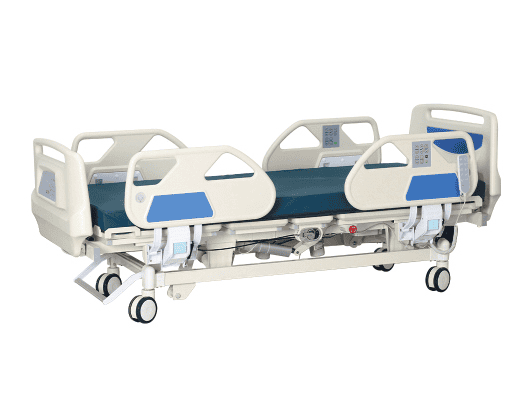
1. Introduction: The New Standard in Hospital Bed Technology In today’s competitive healthcare environment, hospital administrators and procurement professionals seek solutions that enhance care quality while optimizing clinical workflows. The LSHR-D06 Five-Function Hospital Bed with Integrated Weighing System meets these needs by combining electric positioning functions with an advanced built-in weight scale — eliminating separate weighing processes and improving clinical accuracy. This integrated approach is gaining traction in intensive care units (ICUs), surgical recovery wards, rehabilitation centers, and long-term care facilities where precise patient monitoring and comfort are paramount. 2. What Makes the LSHR-D06 Unique Electric Five-Function Adjustability The LSHR-D06 includes all essential electric adjustment functions: These capabilities support clinical protocols from routine care to critical interventions, reducing physical strain on caregivers and improving patient exper
How to Determine Medical Equipment Replacement Cycles and Plan Budgets Effectively
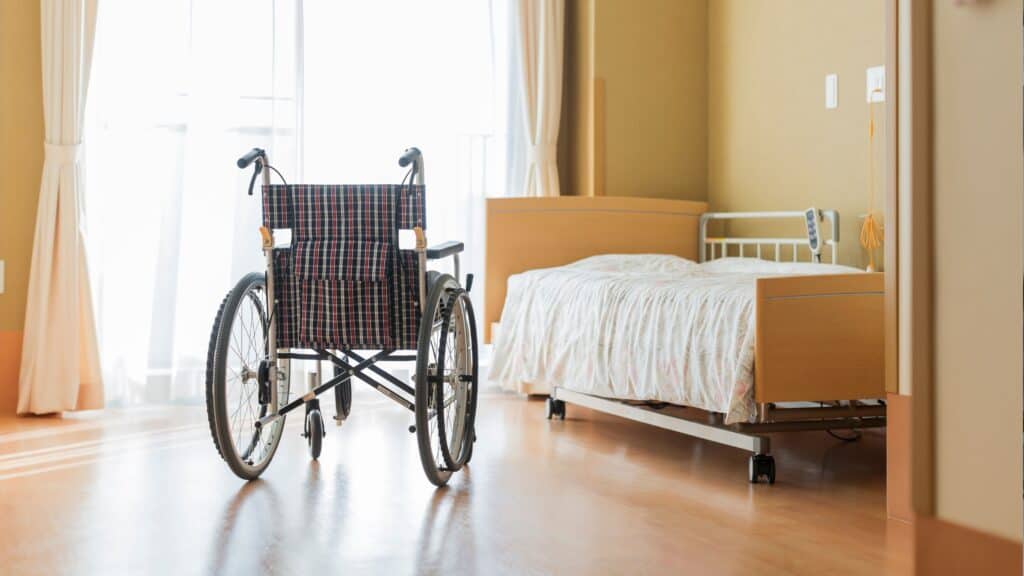
Introduction In healthcare facilities, medical equipment should not be used simply until it fails. Determining appropriate replacement cycles and establishing well-structured budget plans are essential for ensuring patient safety, maintaining clinical efficiency, and controlling long-term operational costs. As hospitals expand, undergo accreditation reviews, and adopt digital healthcare strategies, equipment renewal has become a critical component of overall asset management.medical equipment replacement cycle Key Criteria for Determining Equipment Replacement Cycles 1. Manufacturer’s Recommended Service Life Most medical equipment is designed with a defined service life specified by the manufacturer. Typical reference ranges include: Once equipment exceeds its recommended lifespan, risks related to safety, reliability, and performance increase significantly, even if the device remains functional. 2. Failure Rate and Maintenance Cost Trends Rising maintenance demands are a strong indi
The Top Five Trends Influencing ICU Equipment Purchasing Decisions Worldwide
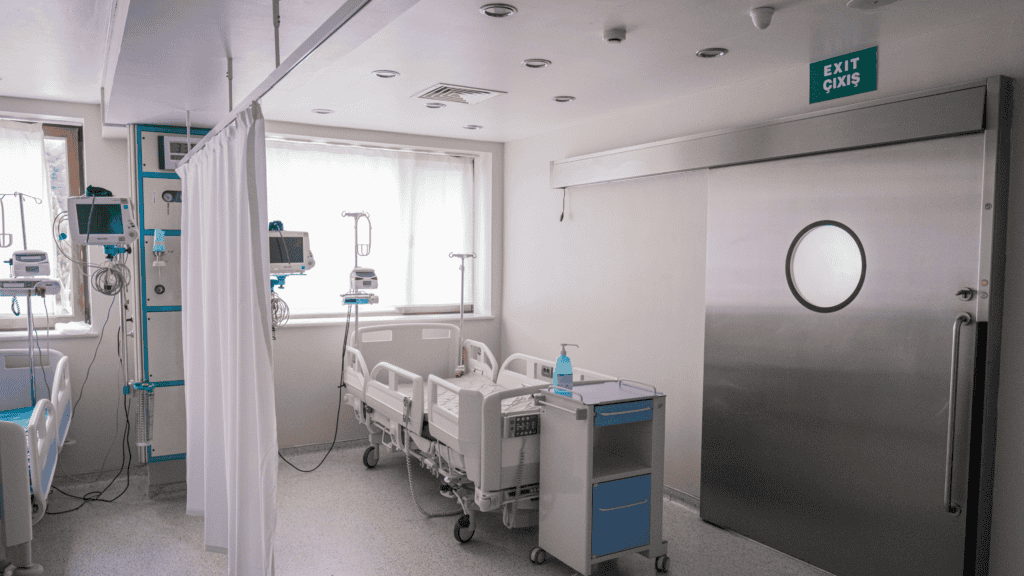
Procurement of Intensive Care Unit (ICU) equipment is among the most critical and strategic investments hospitals make. ICU devices directly affect patient safety, clinical outcomes, and operational efficiency. As healthcare systems evolve, hospitals and health systems are adopting new criteria and priorities for ICU-related purchases. Understanding these trends helps manufacturers, distributors, and hospital procurement leaders make informed decisions that align with global best practices.ICU equipment purchasing trends Below, we explore the top five trends shaping ICU equipment purchasing decisions worldwide. 1. Digital Integration and Connectivity Hospitals increasingly prioritize ICU equipment that supports digital integration. Standalone devices are no longer sufficient; modern purchasers seek equipment capable of: Connected systems improve workflow efficiency, reduce manual data entry, and enhance clinical decision-making—making digital integration a core evaluation criterion. 2