
How Aging Populations Are Driving Demand for Advanced Elderly Care Beds
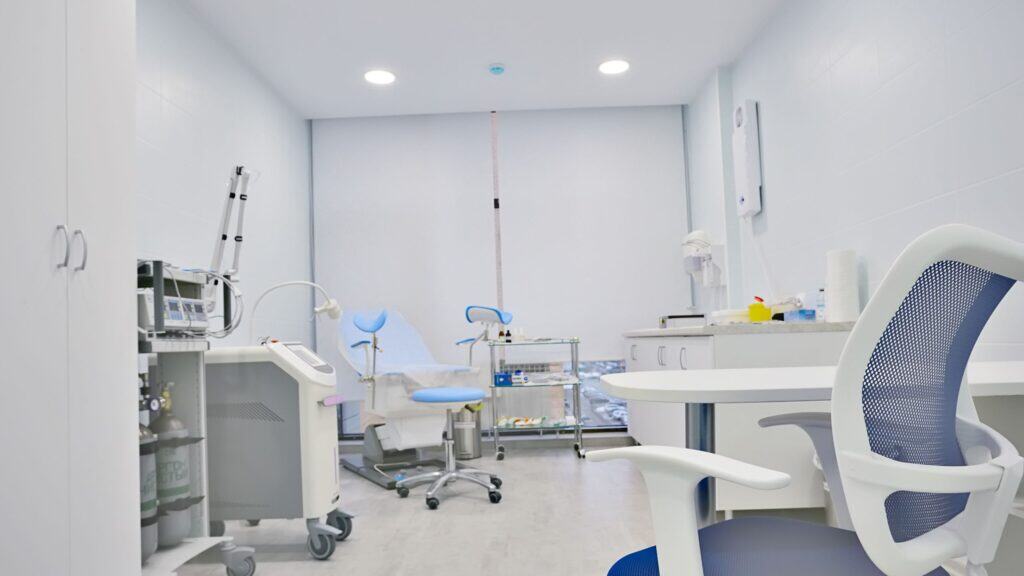
The global population is aging at an unprecedented rate. As life expectancy increases and birth rates decline, healthcare systems around the world are facing new challenges—particularly in elderly care and long-term care environments. One major result of this demographic shift is the growing demand for advanced elderly care beds designed to support safety, comfort, and long-term care efficiency. 1. The Global Aging Population Trend According to international health organizations, the number of people aged 65 and over is increasing rapidly worldwide. This shift is transforming healthcare priorities and infrastructure needs. Key impacts include: 🔗 External reference:World Health Organization (WHO) – Ageing and Healthhttps://www.who.int 2. Why Traditional Hospital Beds Are No Longer Enough Traditional hospital beds are designed for short-term treatment, not long-term living. Elderly patients often require beds that support daily comfort, independence, and safety over extended periods. Li
Common Mistakes Nursing Homes Make When Choosing Beds
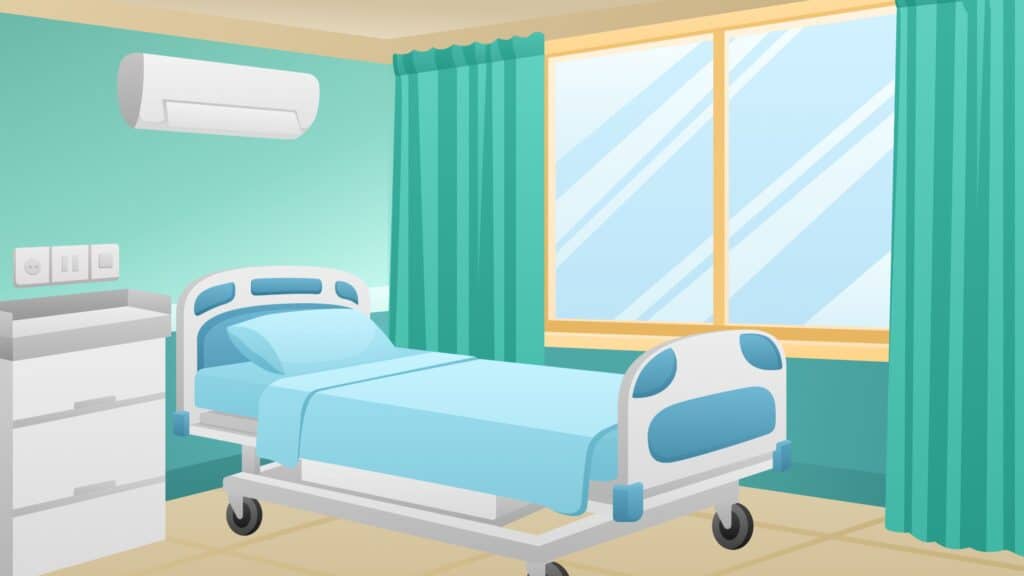
Choosing the right beds for a nursing home is a critical decision that directly impacts resident safety, comfort, and caregiver efficiency. However, many facilities make avoidable mistakes during the selection process—often leading to higher long-term costs and operational challenges. Below are the most common mistakes nursing homes make when choosing beds, and how to avoid them. 1. Prioritizing Price Over Long-Term Value One of the biggest mistakes is choosing beds based solely on the lowest upfront cost. Low-cost beds often result in: High-quality elderly care beds provide better durability, improved safety, and lower total cost of ownership over time. 🔗 Internal link:Elderly Care Beds for Nursing Homes 2. Ignoring Fall Prevention Features Falls are a leading cause of injury among elderly residents. Beds that lack proper fall-prevention design significantly increase risk. Common oversights include: Modern nursing home beds should support low-entry height and stable positioning to re
Top Safety Features Every Nursing Home Bed Should Have
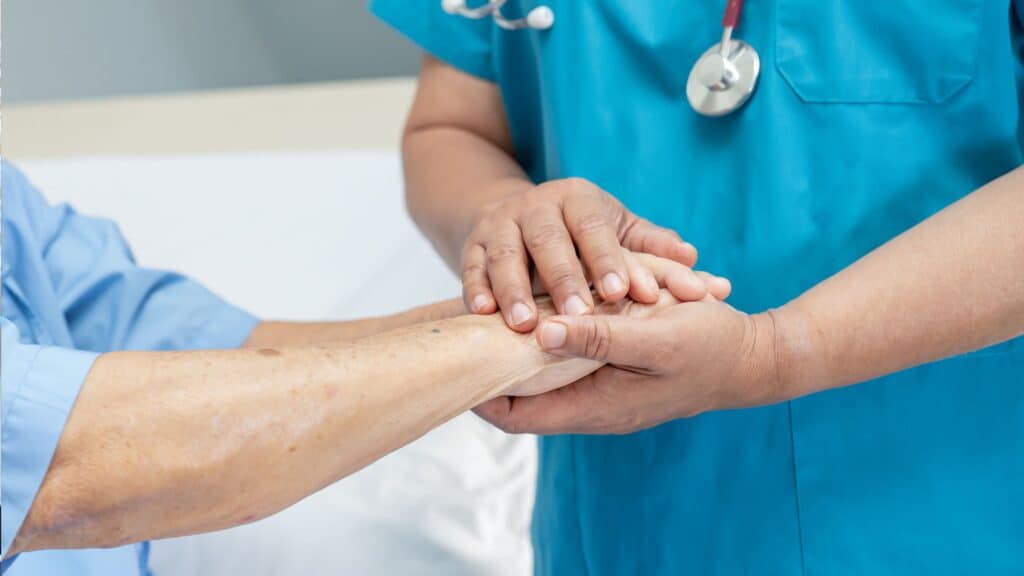
Safety is the foundation of quality care in nursing homes and senior living facilities. Elderly residents are more vulnerable to falls, mobility limitations, and long-term health complications, making bed safety one of the most critical factors in daily care. Below are the top safety features every nursing home bed should have to protect residents, support caregivers, and meet modern care standards. 👉 Related solutions:Elderly Care Beds for Nursing Homes 1. Low Minimum Bed Height for Fall Prevention Falls are one of the most common and serious risks in elderly care environments. A nursing home bed with a low minimum height significantly reduces injury risk if a resident rolls or steps out of bed. Key benefits: Low-height design is considered a core safety requirement for modern elderly care beds. 🔗 External reference:World Health Organization (WHO) – Fall Prevention in Older Adultshttps://www.who.int 2. Side Rails with Safe Locking Mechanisms Side rails help prevent accidental falls w
Elderly Care Bed Buying Guide for Nursing Homes and Senior Living Facilities

Nursing homes and senior living facilities face unique challenges when selecting medical equipment. Elderly residents often require long-term care, daily assistance, and a safe living environment. Choosing the right elderly care bed is essential for improving resident comfort, reducing caregiver workload, and preventing injuries. This guide focuses specifically on how to select the best beds for nursing homes and senior living facilities. 👉 Related solutions:Elderly Care Beds for Nursing Homes 1. Daily Living Needs in Senior Care Facilities Unlike acute hospital settings, elderly care facilities focus on daily living support rather than short-term treatment. Beds must support activities such as: An ideal senior care bed balances medical functionality with home-like comfort. 2. Low Bed Height for Fall Prevention Falls are one of the most common risks in elderly care environments. Beds with a low minimum height significantly reduce the risk of serious injury. Key considerations: 🔗 Exter
Elderly Care Bed Buying Guide: How to Choose the Best Bed for Senior Care Facilities

As the global population ages, the demand for high-quality elderly care beds continues to grow. Nursing homes, senior care centers, and hospitals must carefully select beds that provide safety, comfort, and long-term reliability for elderly patients. This elderly care bed buying guide will help healthcare providers understand the most important factors when choosing beds for senior care environments. 👉 Related solutions:Elderly Care Beds for Nursing Homes 1. Why Elderly Care Beds Are Different from Standard Hospital Beds Elderly patients often have reduced mobility, weaker muscle strength, and higher risks of falls and pressure injuries. Unlike standard hospital beds, beds for elderly care are designed to support daily living, long-term comfort, and safety. Key differences include: Choosing the right bed directly impacts quality of life for senior patients. 2. Safety Features to Prioritize for Elderly Patients Safety is the top priority in senior care environments. An ideal elderly ca
How to Choose the Right Hospital Bed: A Complete Buying Guide for Healthcare Facilities
Choosing the right hospital bed is a critical decision for healthcare facilities. The quality of medical beds directly affects patient safety, comfort, nursing efficiency, and long-term operating costs. This hospital bed buying guide will help hospitals, clinics, nursing homes, and rehabilitation centers understand the key factors to consider before purchasing medical beds. 👉 Related solutions:Hospital Medical Beds for Healthcare Facilities 1. Understand the Type of Healthcare Facility Different healthcare environments have different requirements. Before selecting a medical bed, facilities should clearly define their primary use cases. Common facility types include: Each setting requires specific bed features and load capacities. 🔗 Internal link:Medical Beds for Long-Term and Elderly Care 2. Manual vs. Electric Hospital Beds One of the first decisions is whether to choose manual or electric hospital beds. Electric hospital beds offer: They are especially recommended for facilities wit
How Medical Beds Help Prevent Pressure Ulcers in Long-Term Patient Care

Pressure ulcers, also known as bedsores or pressure injuries, are a common challenge in long-term patient care. They not only cause discomfort and pain but can also lead to serious medical complications and increased healthcare costs. Choosing the right medical bed is one of the most effective ways healthcare facilities can reduce the risk of pressure ulcers and improve patient outcomes. 👉 Related products:Medical Beds for Long-Term Patient Care 1. Understanding Pressure Ulcers in Healthcare Settings Pressure ulcers develop when prolonged pressure restricts blood flow to the skin and underlying tissue. Patients with limited mobility are at the highest risk, especially in hospitals, nursing homes, and rehabilitation centers. Common risk factors include: Effective pressure ulcer prevention starts with proper equipment and patient care strategies. 🔗 External reference:World Health Organization (WHO) – Patient Safety and Pressure Injury Preventionhttps://www.who.int 2. The Role of Medical
How Electric Hospital Beds Improve Patient Safety and Nursing Efficiency
In modern healthcare environments, patient safety and nursing efficiency are closely connected. One of the most effective ways hospitals can improve both is by upgrading to electric hospital beds. Compared to traditional manual beds, electric medical beds provide advanced features that support safer patient care while reducing physical strain on medical staff. 👉 Related products:Electric Hospital Beds for Professional Healthcare 1. Enhancing Patient Safety with Smart Bed Design Patient falls and improper positioning are common risks in hospitals. Electric hospital beds are designed to minimize these risks through improved control and stability. Key safety features include: These features make electric beds ideal for elderly patients and those with limited mobility. 🔗 Internal link:High Load Capacity Medical Beds 2. Reducing Nursing Physical Strain Nurses perform frequent tasks such as repositioning patients, adjusting bed height, and assisting with transfers. Manual beds often increas
How Medical Beds Improve Patient Care and Recovery in Hospitals
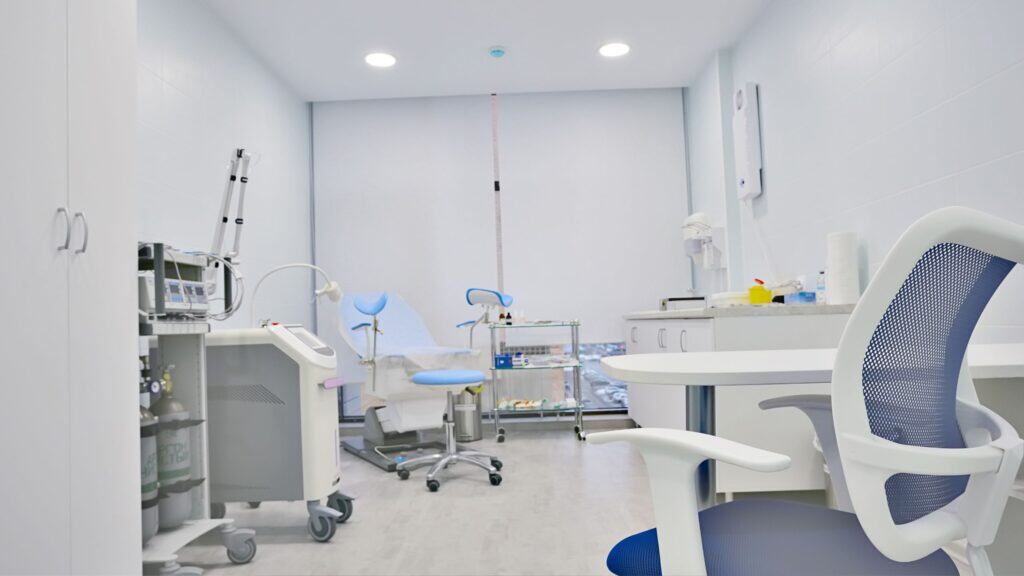
High-quality patient care is essential for hospitals, clinics, and healthcare facilities. One of the most important pieces of patient care equipment is the medical bed, which plays a critical role in comfort, safety, and recovery. Modern hospital medical beds are designed to support both patients and caregivers, helping healthcare facilities deliver better outcomes while improving efficiency. 👉 Related product:Electric Hospital Beds for Patient Care 1. Enhancing Patient Comfort and Well-Being Patient comfort directly affects healing and satisfaction. Adjustable electric hospital beds allow patients to change positions easily, reducing discomfort during long-term care. Key comfort benefits include: These features help create a more supportive healing environment for patients. 🔗 Internal link:Electric Medical Beds for Long-Term Care 2. Reducing the Risk of Pressure Ulcers Pressure ulcers are a common issue in long-term patient care. Adjustable medical beds help redistribute pressure and