
OEM vs ODM Medical Equipment: Which Is Right for Your Business?

For medical distributors, hospital project contractors, and healthcare brands, choosing between OEM and ODM medical equipment manufacturing is a strategic decision. The right choice affects product differentiation, cost control, lead time, and long-term brand growth. This guide explains the differences between OEM and ODM medical equipment, their advantages and disadvantages, and how to choose the best model for your business. What Is OEM Medical Equipment? OEM (Original Equipment Manufacturer) medical equipment is produced according to the buyer’s specifications. The buyer owns the product design, branding, and market positioning, while the manufacturer focuses on production and quality control. Typical OEM Characteristics: OEM is ideal for businesses with strong technical knowledge or established product concepts. What Is ODM Medical Equipment? ODM (Original Design Manufacturer) medical equipment is designed and developed by the manufacturer. Buyers select an existing model and cust
How to Choose a Reliable Medical Equipment Manufacturer
Choosing a reliable medical equipment manufacturer is a critical decision for hospitals, clinics, distributors, and medical brands. Product quality, regulatory compliance, and long-term support directly impact patient safety, operational efficiency, and project success. This guide explains the key factors you should evaluate when selecting a medical equipment manufacturer for operating room (OR) and intensive care unit (ICU) projects. 1. Manufacturing Experience and Industry Focus A reliable medical equipment manufacturer should have proven experience in medical device manufacturing, especially in hospital, OR, and ICU equipment. When evaluating a manufacturer, consider: Manufacturers with specialized experience are more likely to meet international standards and hospital requirements. 👉 To better understand how professional manufacturers operate, you can read our detailed overview of the production workflow:Medical Equipment Manufacturing Process 2. Quality Control System and Product
Medical Equipment Manufacturing Process Explained
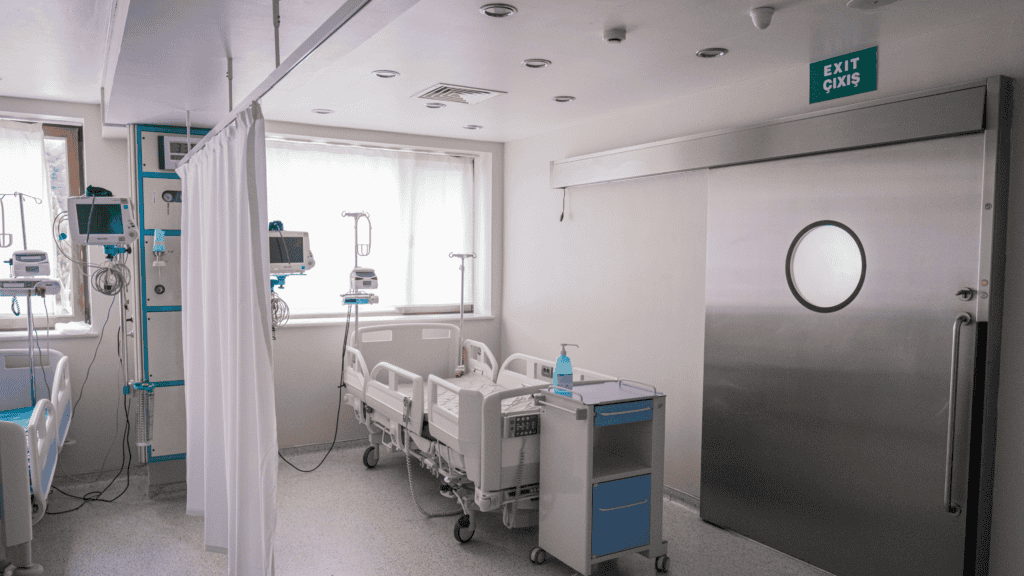
In the global healthcare industry, quality, reliability, and compliance are critical. At LisaMed, we specialize in manufacturing and exporting medical equipment for operating rooms and intensive care units worldwide. This article takes you inside our factory to explain how medical equipment is designed, manufactured, tested, and delivered to meet international standards. Product Design & Clinical Requirements Analysis Every medical device starts with a clear clinical purpose. Our engineering team works closely with hospitals, distributors, and OEM/ODM partners to understand real-world clinical needs. During this stage, we focus on: For OEM and ODM projects, LisaMed provides customized solutions including appearance design, functional configuration, and branding options. Raw Material Selection & Component Sourcing High-quality medical equipment begins with premium materials. LisaMed carefully selects certified raw materials and key components to ensure durability and safety. We
How Distributors Choose Medical Equipment Manufacturers in China

China has become one of the world’s most important manufacturing hubs for medical equipment. For distributors, choosing the right medical equipment manufacturer in China can mean the difference between stable growth and costly failure. Experienced distributors do not rely on instinct alone. Instead, they follow a structured evaluation process focused on long-term reliability, compliance, and scalability. Below is how professional distributors make their decisions. 1. Product Focus Comes First Distributors rarely look for “general factories.” They look for manufacturers that: For example, a distributor focused on hospital beds or ICU furniture prefers manufacturers with a proven track record in those exact products—not factories producing unrelated equipment. 👉 Key question distributors ask:“Is this factory an expert in my product, or just producing it?” 2. Quality Management Systems Matter More Than Claims Every factory claims “high quality.”Distributors look for systems, not slogans.
Common OEM Mistakes Distributors Make (And How to Avoid Them)
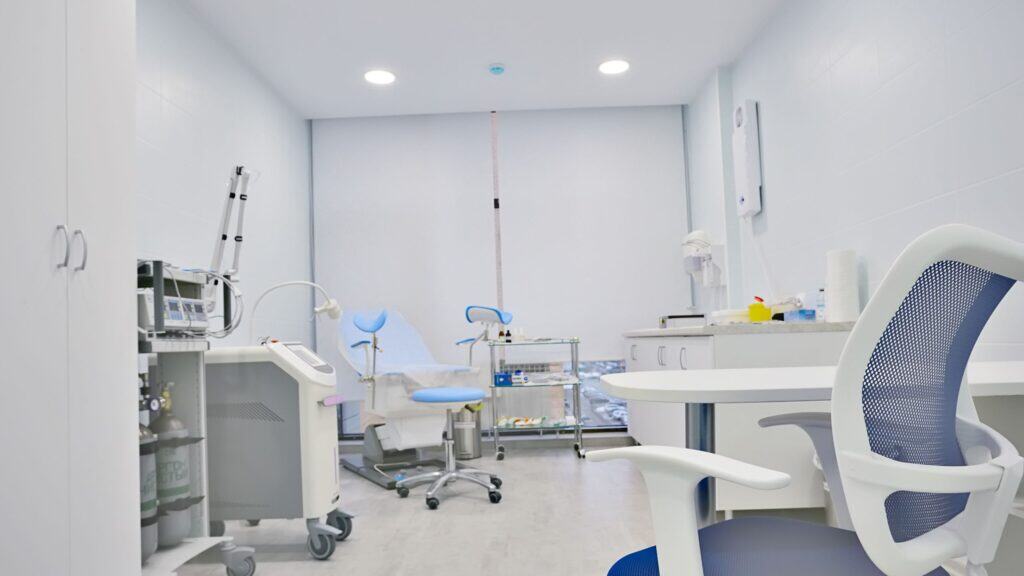
OEM cooperation allows medical equipment distributors to build private label brands, improve margins, and strengthen market control. However, many distributors encounter serious problems—not because OEM is a bad strategy, but because of avoidable mistakes early in the process. Below are the most common OEM mistakes distributors make, and how experienced players avoid them. 1. Choosing OEM Suppliers Based Only on Price The most frequent mistake is selecting an OEM partner purely based on the lowest quotation. Low prices often hide: Experienced distributors evaluate total cost of cooperation, not just unit price. 👉 Avoid it by:Assessing production capacity, quality systems, and long-term stability—not just pricing. 2. Treating OEM as “Logo Printing Only” Many distributors assume OEM simply means adding a logo. In reality, OEM involves: Ignoring these aspects often leads to products that fail to meet market or regulatory expectations. 👉 Avoid it by:Working with OEM manufacturers who unde
How Distributors Build Private Label Medical Bed Brands
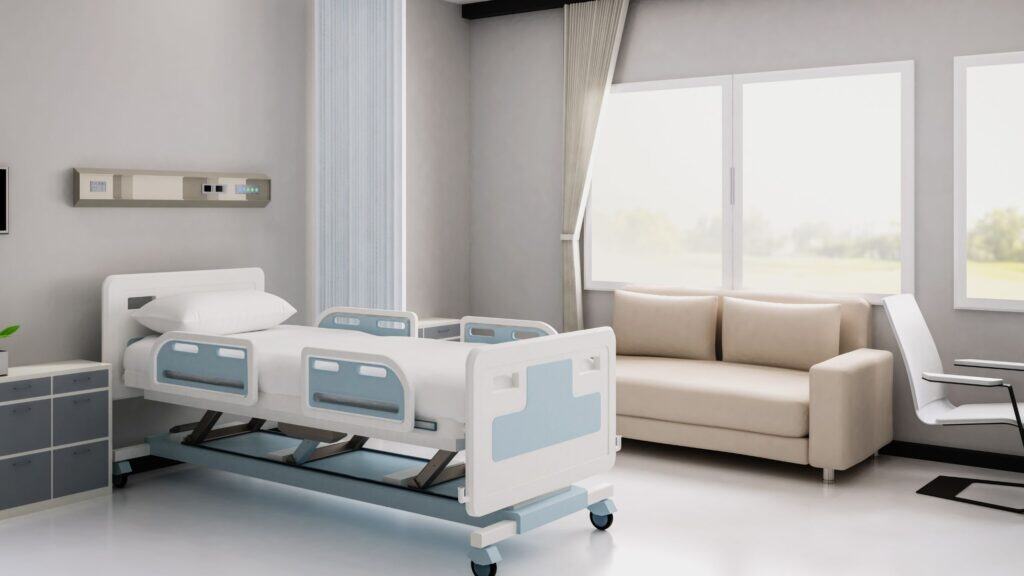
In today’s competitive medical equipment market, many distributors are no longer satisfied with selling generic products. Instead, they are building private label medical bed brands—creating long-term value, higher margins, and stronger customer loyalty. But successful private labeling is not just about putting a logo on a product. It requires the right strategy, the right manufacturer, and a long-term mindset. Here’s how experienced distributors build strong private label medical bed brands. 1. Choosing the Right OEM Manufacturing Partner The foundation of any private label brand is a reliable OEM medical bed manufacturer. Distributors should look for partners who offer: A manufacturer is not just a supplier—it becomes an extension of the distributor’s brand. 🔗 Internal link:About Lisamed – OEM Medical Bed Manufacturer 2. Starting with Proven, Market-Ready Models Successful distributors rarely start from scratch. Instead, they: This approach shortens time-to-market while ensuring rel
How Medical Equipment Distributors Choose the Right Elderly Care Bed Supplier
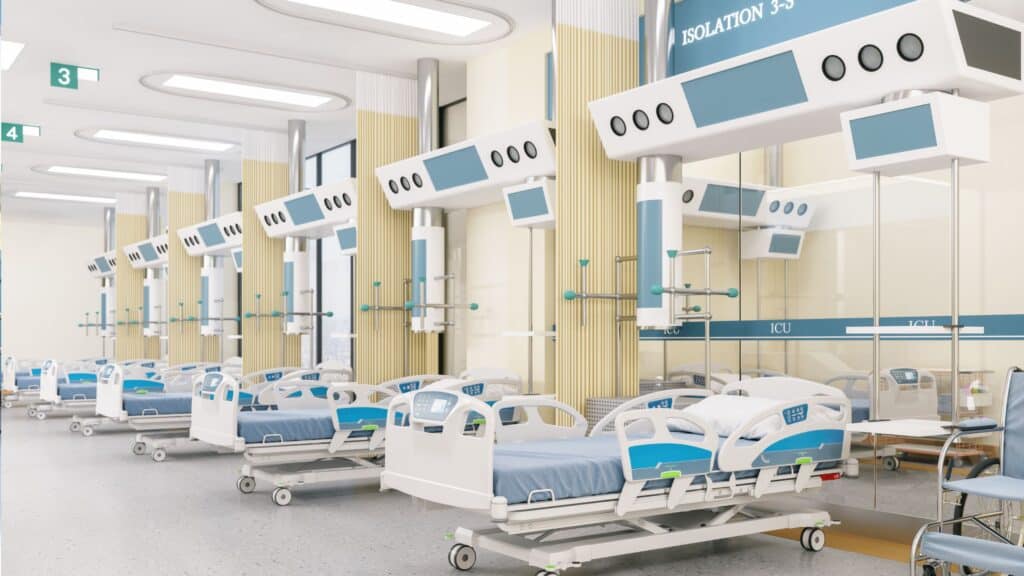
For medical equipment distributors, elderly care beds are more than just a product—they are a long-term business category. Choosing the wrong supplier can lead to delayed deliveries, quality complaints, and lost clients. Choosing the right one can build stable revenue for years. From a distributor’s perspective, here are the key factors that matter most when selecting an elderly care bed supplier. 1. Product Consistency Matters More Than a Low Price For distributors, inconsistent product quality creates serious downstream problems: A reliable elderly care bed supplier must deliver consistent quality across batches, not just attractive pricing on the first order. Distributors value: 2. Certifications Are Not Optional Distributors often operate in regulated markets. Missing or incomplete certifications can block customs clearance or sales entirely. Key certifications distributors typically require: A professional manufacturer understands that compliance is part of the product, not an ex
Cómo Elegir la Cama Geriátrica Adecuada: Guía Paso a Paso para Residencias

Elegir la cama geriátrica adecuada es una decisión estratégica para cualquier residencia o centro de cuidados a largo plazo. Una mala elección puede generar problemas de seguridad, incomodidad para el residente y sobrecarga para el personal. Esta guía paso a paso le ayudará a tomar una decisión informada y sostenible. Paso 1: Analizar el Perfil de los Residentes Antes de elegir una cama, es fundamental entender las necesidades reales de los residentes. Considere: Las residencias con perfiles variados deben optar por camas versátiles y ajustables. Paso 2: Priorizar la Seguridad del Residente La seguridad debe ser el criterio número uno. Busque camas con: Esto ayuda a reducir el riesgo de caídas, una de las principales causas de lesiones en adultos mayores. 🔗 Referencia externa:CDC – Prevención de caídas en adultos mayoreshttps://www.cdc.gov Paso 3: Evaluar la Comodidad para Uso Prolongado Las camas geriátricas no son solo equipos médicos; son parte del entorno diario del residente. Asp
Preguntas Frecuentes sobre Camas Geriátricas para Residencias y Centros de Cuidado

Las camas geriátricas son un elemento esencial en residencias, hogares de ancianos y centros de cuidados a largo plazo. Sin embargo, muchas instituciones tienen dudas antes de tomar una decisión de compra. A continuación, respondemos las preguntas más comunes para ayudarle a elegir correctamente. 1. ¿Qué es una cama geriátrica? Una cama geriátrica es una cama médica diseñada específicamente para el cuidado de adultos mayores, con funciones que mejoran la seguridad, la comodidad y la eficiencia del personal de cuidado. Incluye características como: 2. ¿Cuál es la diferencia entre una cama hospitalaria y una cama geriátrica? Aunque son similares, su uso es diferente: Las residencias deben priorizar camas geriátricas por su comodidad y adaptabilidad a largo plazo. 🔗 Enlace interno:Camas para Cuidados a Largo Plazo 3. ¿Las camas geriátricas ayudan a prevenir caídas? Sí. Las camas modernas están diseñadas para reducir el riesgo de caídas, gracias a: 🔗 Referencia externa:CDC – Prevención de