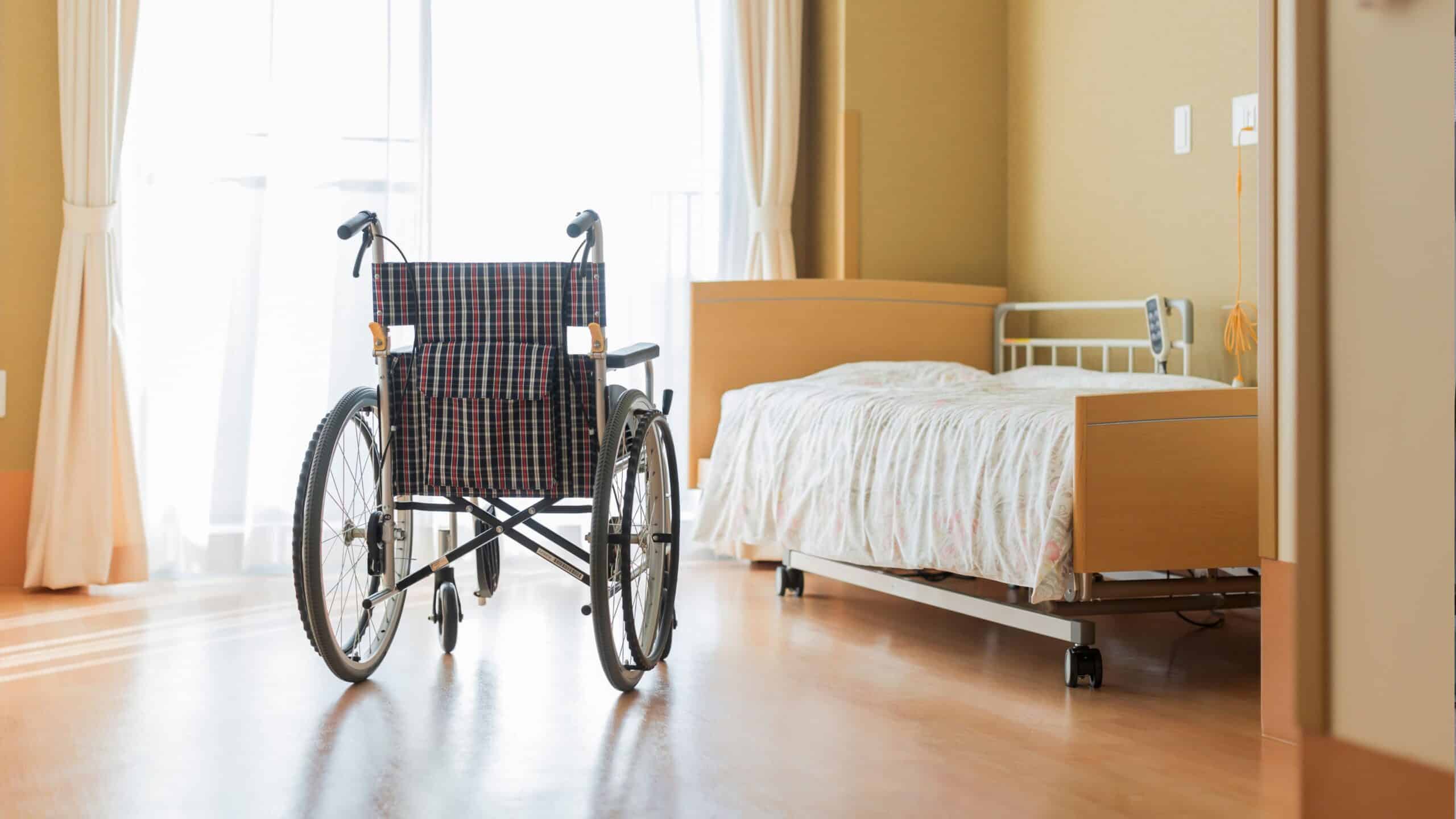

Pressure ulcers, also known as bedsores or pressure injuries, are a common challenge in long-term patient care. They not only cause discomfort and pain but can also lead to serious medical complications and increased healthcare costs.
Choosing the right medical bed is one of the most effective ways healthcare facilities can reduce the risk of pressure ulcers and improve patient outcomes.
👉 Related products:
Medical Beds for Long-Term Patient Care
1. Understanding Pressure Ulcers in Healthcare Settings
Pressure ulcers develop when prolonged pressure restricts blood flow to the skin and underlying tissue. Patients with limited mobility are at the highest risk, especially in hospitals, nursing homes, and rehabilitation centers.
Common risk factors include:
- Long periods of immobility
- Poor patient positioning
- Inadequate support surfaces
Effective pressure ulcer prevention starts with proper equipment and patient care strategies.
🔗 External reference:
World Health Organization (WHO) – Patient Safety and Pressure Injury Prevention
https://www.who.int
2. The Role of Medical Beds in Pressure Ulcer Prevention
Modern hospital medical beds are designed to support frequent repositioning and pressure redistribution.
Key features include:
- Adjustable back and leg sections
- Height adjustment for safe repositioning
- Compatibility with pressure-relief mattresses
These features help caregivers change patient positions regularly without causing discomfort or strain.
🔗 Internal link:
Electric Hospital Beds for Patient Care
3. Supporting Proper Patient Positioning
Correct patient positioning is critical in preventing pressure injuries. Medical beds allow precise adjustments that support safe and effective positioning.
Benefits of proper positioning include:
- Improved blood circulation
- Reduced pressure on high-risk areas
- Enhanced patient comfort
Adjustable electric medical beds make repositioning faster and more consistent throughout the day.
🔗 External reference:
National Pressure Injury Advisory Panel (NPIAP)
https://npiap.com
4. Reducing Caregiver Workload While Improving Care Quality
Frequent repositioning is essential but physically demanding for caregivers. Medical beds reduce manual handling and improve workflow efficiency.
Caregiver benefits include:
- Reduced physical strain
- Faster repositioning routines
- Improved compliance with care protocols
This results in better prevention outcomes and safer working conditions.
🔗 External reference:
Occupational Safety and Health Administration (OSHA) – Healthcare Ergonomics
https://www.osha.gov
5. Ideal Medical Beds for Long-Term and Elderly Care
Patients in long-term and elderly care settings face higher risks of pressure ulcers. Durable and adjustable hospital beds for long-term care are essential in these environments.
They support:
- Continuous patient comfort
- Pressure relief strategies
- Long-term durability and safety
🔗 Internal link:
Medical Beds for Elderly and Long-Term Care
6. Meeting International Healthcare Standards
High-quality medical beds are manufactured to meet international healthcare and safety standards, ensuring consistent performance and reliability.
Using certified equipment demonstrates a healthcare facility’s commitment to patient safety and quality care.
🔗 External reference:
International Organization for Standardization (ISO) – Medical Devices
https://www.iso.org
Conclusion
Preventing pressure ulcers is a critical part of long-term patient care. With the right medical beds, healthcare facilities can significantly reduce pressure injury risks, improve patient comfort, and support caregivers more effectively.
At Lisamed, we provide professional medical bed solutions designed to support pressure ulcer prevention and long-term patient care worldwide.
👉 Explore our solutions:
Lisamed Medical Beds & Healthcare Furniture