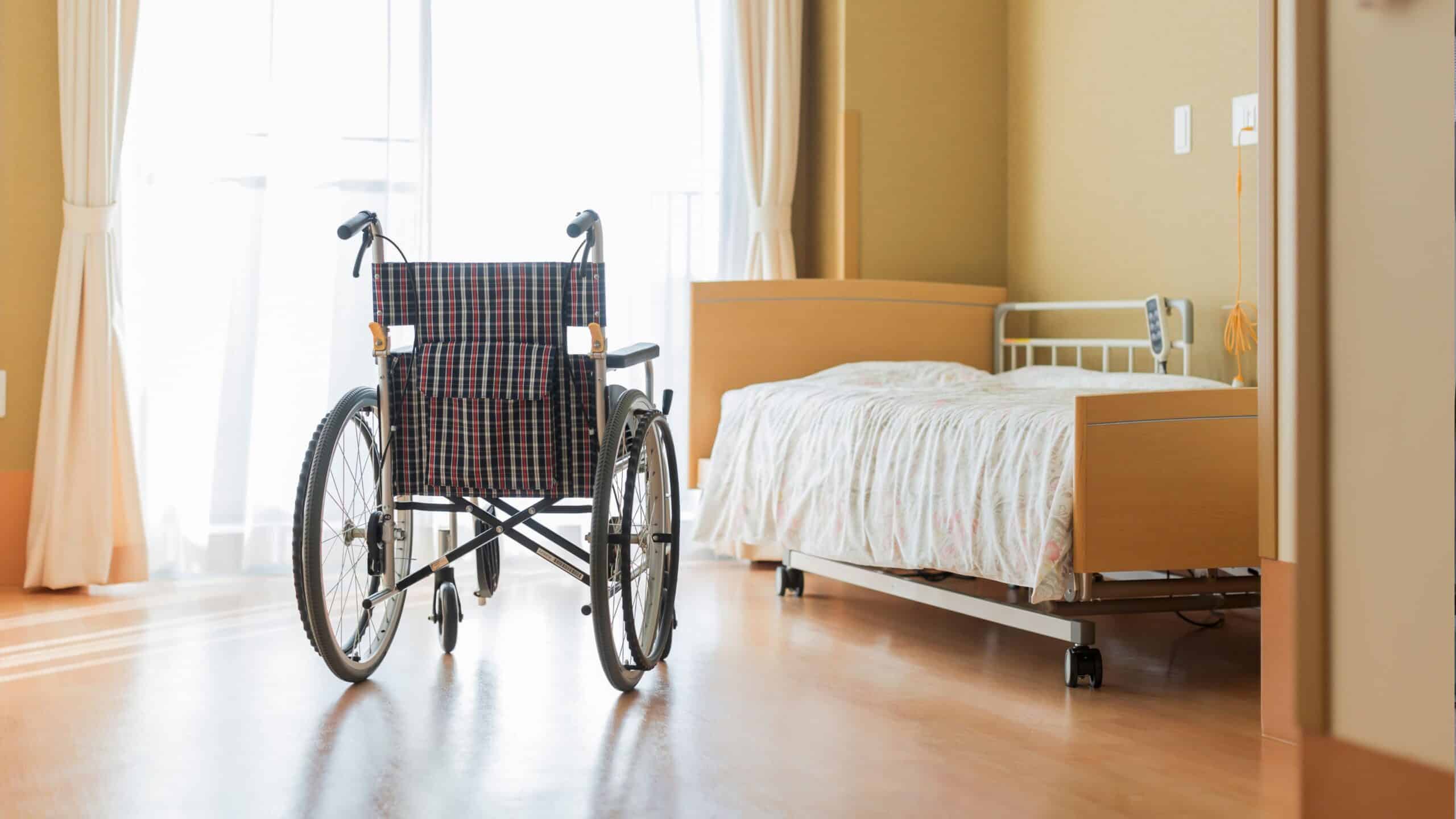

In modern healthcare environments, patient safety and nursing efficiency are closely connected. One of the most effective ways hospitals can improve both is by upgrading to electric hospital beds.
Compared to traditional manual beds, electric medical beds provide advanced features that support safer patient care while reducing physical strain on medical staff.
👉 Related products:
Electric Hospital Beds for Professional Healthcare
1. Enhancing Patient Safety with Smart Bed Design
Patient falls and improper positioning are common risks in hospitals. Electric hospital beds are designed to minimize these risks through improved control and stability.
Key safety features include:
- Adjustable height to reduce fall risk
- Side rails for added protection
- Stable frames with high load capacity
These features make electric beds ideal for elderly patients and those with limited mobility.
🔗 Internal link:
High Load Capacity Medical Beds
2. Reducing Nursing Physical Strain
Nurses perform frequent tasks such as repositioning patients, adjusting bed height, and assisting with transfers. Manual beds often increase physical workload and injury risk.
Electric beds help by:
- Allowing one-touch position adjustment
- Reducing manual lifting
- Supporting ergonomic working positions
This significantly improves nursing efficiency and workplace safety.
🔗 External reference:
Occupational Safety and Health Administration (OSHA) – Healthcare Worker Safety
https://www.osha.gov
3. Improving Patient Positioning for Better Care
Proper positioning is essential for patient comfort, respiratory support, and circulation. Electric hospital beds allow precise positioning based on medical needs.
Benefits include:
- Improved breathing for post-operative patients
- Better circulation through leg elevation
- Easier feeding and treatment positioning
According to healthcare studies, correct patient positioning contributes directly to faster recovery.
🔗 External reference:
National Institutes of Health (NIH) – Patient Positioning in Healthcare
https://www.ncbi.nlm.nih.gov
4. Supporting Long-Term and Critical Care Patients
Electric medical beds are especially valuable in long-term care units, ICUs, and rehabilitation centers.
They help:
- Reduce pressure ulcer risks
- Improve patient independence
- Support continuous care without frequent transfers
🔗 Internal link:
Medical Beds for Long-Term Patient Care
5. Enhancing Workflow in Busy Hospital Environments
Hospitals operate in fast-paced environments where efficiency matters. Electric beds streamline daily care routines and reduce time spent on manual adjustments.
This results in:
- Faster patient handling
- Improved response times
- Better allocation of nursing resources
High-quality medical bed solutions directly impact overall hospital performance.
6. Meeting International Safety and Quality Standards
Professional electric hospital beds are manufactured to meet international healthcare standards, ensuring durability and safety.
Hospitals using certified equipment demonstrate their commitment to patient safety and professional care.
🔗 External reference:
International Electrotechnical Commission (IEC) – Medical Electrical Equipment
https://www.iec.ch
Conclusion
Electric hospital beds play a vital role in improving patient safety, nursing efficiency, and overall healthcare quality. By investing in advanced medical bed solutions, hospitals can create safer environments for patients while supporting medical staff.
At Lisamed, we provide reliable and high-quality electric hospital beds designed to meet the demands of modern healthcare facilities worldwide.
👉 Explore our solutions:
Lisamed Electric Medical Beds & Healthcare Furniture