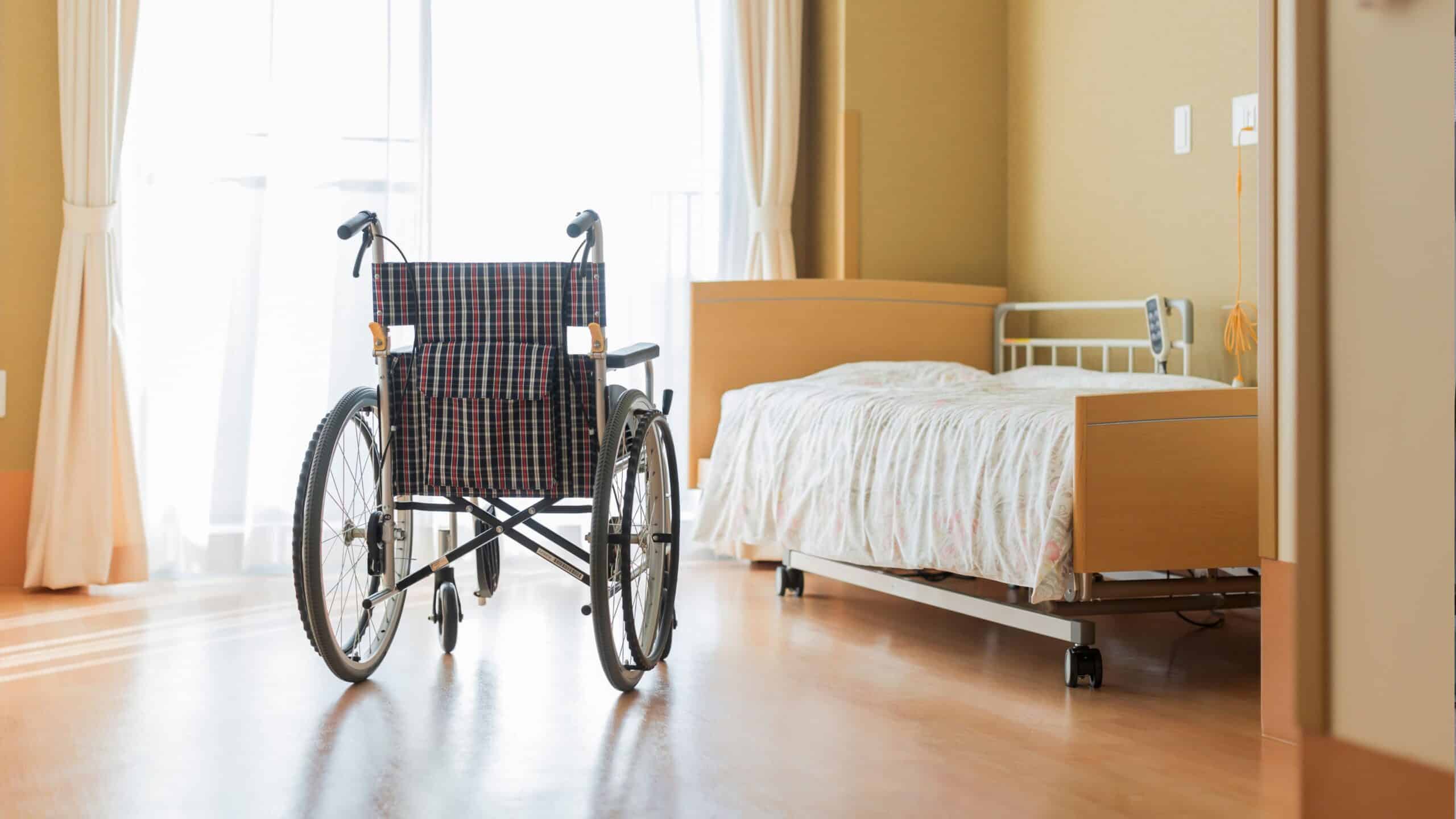

Patient recovery outcomes are influenced by many factors, but bed design and load capacity are often underestimated. In recent years, hospitals are seeing a growing number of patients with higher body weight, limited mobility, or complex post-surgical needs.
This shift has led to increasing demand for high-weight capacity hospital beds—and measurable improvements in patient recovery when the right solutions are used.
The Challenge: Supporting High-Weight Patients Safely
Hospitals treating bariatric or high-BMI patients face unique challenges, including:
- Increased pressure on standard hospital beds
- Higher risk of equipment instability
- Difficulty repositioning patients safely
- Increased physical strain on nursing staff
Traditional beds often fail to provide the structural strength and stability required, negatively affecting both patient safety and recovery experience.
The Solution: High-Weight Capacity Hospital Beds
Our high-weight capacity hospital beds are designed specifically to address these challenges. Key features include:
- Reinforced steel frame construction
- High load-bearing capacity suitable for bariatric care
- Stable lifting and positioning mechanisms
- Wide sleeping surface for enhanced comfort
These features ensure consistent performance even under continuous, heavy-duty clinical use.
Real Clinical Results: Improved Patient Recovery
After upgrading to high-weight capacity hospital beds, healthcare facilities reported clear improvements in patient outcomes.
1. Better Comfort Leads to Faster Recovery
Patients experienced:
- Improved body support and reduced pressure points
- More stable positioning during rest and treatment
- Less discomfort during long recovery periods
Greater comfort helped patients rest better, contributing to faster recovery and improved overall satisfaction.
2. Reduced Risk of Complications
The enhanced stability and load capacity of the beds helped reduce:
- Bed-related mechanical failures
- Pressure ulcer risks due to better mattress compatibility
- Falls caused by unstable or undersized bed structures
Improved safety directly translated into fewer secondary complications during hospitalization.
3. Easier Repositioning and Early Mobilization
Electric adjustment functions allowed caregivers to reposition patients smoothly and safely. This supported:
- Improved circulation
- Better respiratory function
- Earlier assisted mobilization
Early movement is a key factor in shortening recovery time, especially for post-surgical patients.
Benefits for Nursing Staff and Care Teams
High-weight capacity beds are not only about patient outcomes—they also protect caregivers.
Hospitals reported:
- Reduced physical strain on nursing staff
- Safer patient transfers
- More efficient daily care routines
This resulted in improved workflow and lower risk of staff injuries.
Designed for Long-Term Clinical Reliability
Our high-weight capacity hospital beds are manufactured to meet international medical standards and are suitable for:
- Acute care hospitals
- Rehabilitation centers
- Bariatric wards
- Long-term care facilities
Durability and reliability ensure consistent performance throughout the bed’s lifecycle.
Why Hospitals Are Upgrading to High-Weight Capacity Beds
Healthcare providers are increasingly recognizing that one-size-fits-all beds are no longer sufficient. With rising patient weight trends worldwide, investing in high-weight capacity beds is a proactive step toward safer, more inclusive patient care.
Conclusion
The adoption of high-weight capacity hospital beds has led to significant improvements in patient recovery, safety, and caregiver efficiency. By providing better support, stability, and comfort, these beds help hospitals meet modern care demands while improving clinical outcomes.
At Lisamed, we specialize in manufacturing reliable, heavy-duty hospital beds designed for real-world clinical challenges.
👉 Learn more about our hospital bed solutions:
https://lisamed.com/
- High-Weight Capacity Bed Product Page: Explore LISAMED’s High-Weight Capacity Hospital Beds
- Hospital Bed Care Page: Learn More About Hospital Bed Features
- Customer Support Page: Get Help with Bed Maintenance
Authoritative External Links
- National Institutes of Health (NIH): Pressure Ulcers and Bed Rest
- Centers for Disease Control and Prevention (CDC): Patient Safety and Hospital Bed Use